King Charles' Highland dream becomes Scotland's most crowded road trip
King backed NC500 study explores impact as wild camping controls gain momentu
December 21, 2025
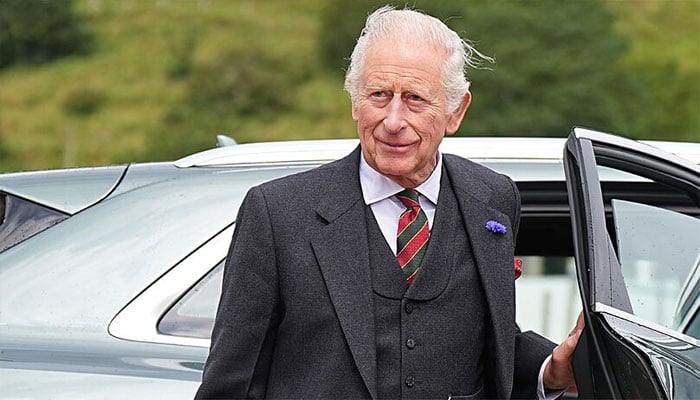
King Charles' good intentions are becoming Scotland’s now-infamous North Coast 500 a classic case of “be careful what you wish for.”
The scenic 516-mile driving route, a Highland tourism brainchild the then-Prince Charles helped inspire was designed to spread visitors beyond Inverness and into the wilds of Scotland’s far north.
Launched in 2015 under the North Highland Initiative, it was touted as a way to bring economic life to parts of the Highlands that had long struggled with limited trade and declining farming, much like Samuel Johnson once noted in his travels centuries earlier.
King Charles has often spoken warmly of Scotland and its people.
Marking the 25th anniversary of the Scottish Parliament at Holyrood, he described the country as holding a “uniquely special place in the hearts of my family and myself,” reflecting on his grandmother’s attachment to Balmoral.
Such sentiments helped inspire initiatives to boost rural economies, including the scenic Highland drive that became the NC500.
Early results were promising in its first year, tens of thousands of extra visitors brought millions of pounds to local businesses, helping some stay open longer through winter.
But more than a decade on, the NC500’s runaway popularity has created challenges for tiny Highland communities.
Tourism still injects tens of millions annually, yet locals face a surge of traffic, littered beauty spots, and infrastructure unfit for endless campervans and cars.
Public toilets struggle to keep up, with reports of roadside waste and even human excrement in laybys and beaches.
Some residents describe peak season as feeling like “Disneyland,” with up to a thousand vehicles passing daily.
NC500 Ltd, backed by the King, has commissioned a decade-long impact study, while proposals to restrict motorhome and campervan parking outside designated sites are gaining traction to curb wild camping and protect the region’s fragile environment.