What personal information you should never share with ChatGPT?
Experts reveal things that you should never type into ChatGPT
Published January 02, 2026
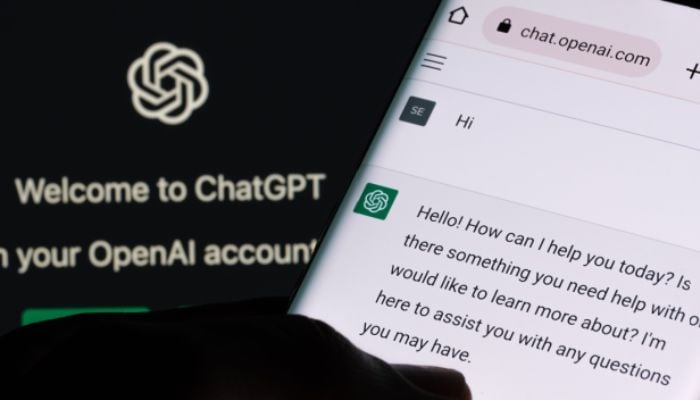
AI chatbots are increasingly becoming part of everyday life. Statista data reveals that in late 2025, ChatGPT alone had over 800 million weekly active users globally with 557 million monthly active users for the mobile app.
The demographics of the users varies with 18-24 years users with higher engagement. Mostly, U.S. adults utilize the AI chatbot for work (28%), learning (26%), and entertainment (22%) as of early 2025.
With more reliance on ChatGPT, there are increased chances of sharing sensitive information, creating real privacy, and security risks.
The following are some highly sensitive data points that you must never share with ChatGPT:
Personal Identifiable Information (PII)
In order to provide a tailored response, ChatGPT often asks for personal information when people ask to draft resumes, write cover letters, create personalized plans, etc. Experts note that the first and foremost critical category to avoid is PII. While ChatGPT can help your drafting your desired answer, it will store the data in its database. Any leak or compromised security can then lead utilize your sensitive information like full name, addresses, phone numbers, email addresses, etc., for any purpose.
Financial Information
Financial information is another major red flag. There’s an increased trend of utilizing ChatGPT to take budgeting advice, understand financial documents, and tax records. Users share their bank details, credit card details, and tax records which is highly unnecessary and risky. Chatbots do not operate within the secure systems designed to protect financial data, increasing the risk of fraud or identity theft.
Medical Details
Experts also caution against sharing medical details. People often attach medical diagnosis, test results, and health information to understand scientific terms and explain medical concepts in general way. Once you enter your health information, you will lose control over how that data is handled.
Workplace confidential information
At the workplace, abstain uploading any confidential information. Attaching internal documents, client information, or intellectual property for editing or summarization can expose protected data and potentially violate workplace policies.
Any illegal information
Experts also advise never to share anything illegal. OpenAI complies with lawful data requests and attempts to misuse AI for criminal activity may trigger safeguards or legal consequences.
The takeaway is simple i.e., never to share anything personal with ChatGPT. AI can be powerful. So, its privacy-conscious use is essential.