Explainer: Venezuela's military capabilities in numbers vs. US firepower
US fields over 1.3 million active personnel
Published January 03, 2026
Venezuela's military strength has come into the spotlight after the United States allegedly launched a massive offensive against the country on Saturday, January 3, 2025.
Videos of air strikes circulating online show alleged American helicopters bombing military complexes in the Venezuelan capital Caracas.
Here a detailed look at Venezuela’s military capabilities and where it stands as compared to the global superpower’s military capabilities.
According to the Global Fire Power index, the South American country’s military is ranked 50th out of 145 considered in the GFP’s 2025 annual review. The United States (U.S.) is ranked number 1, the strongest military in the world.
The GFP assessment considers over 60 factors, including manpower, equipment quantities, logistics, finances, and geography, but does not heavily weigh equipment quality, readiness, or training.
Manpower
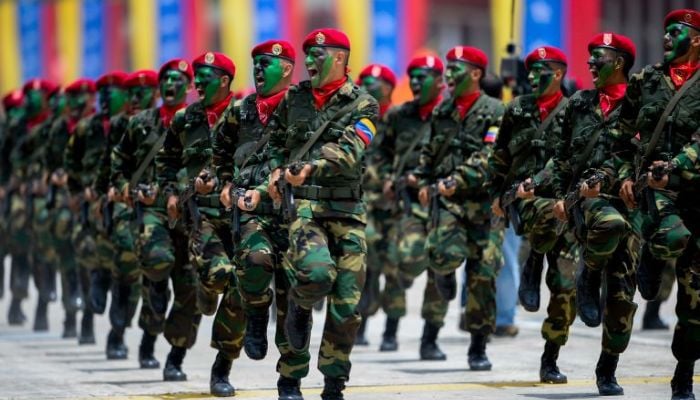
- Venezuela has a population of approximately 31.25 million
- Available manpower: 15.6 million (50% of population)
- Fit-for-service: 12.8 million
- Active personnel: 109,000 (rank 43 globally)
- Reserve personnel: 8,000 (relatively low, rank 72)
- Paramilitary forces: 220,000 (strong ranking, 10th globally; includes militias loyal to the government)
- Total estimated military personnel: 337,000
- Branch distribution: Army (115,000), Navy (25,500), Air Force (20,000)
- Potential mobilization: Could reach over 2.8 million in prolonged conflict
Air Power
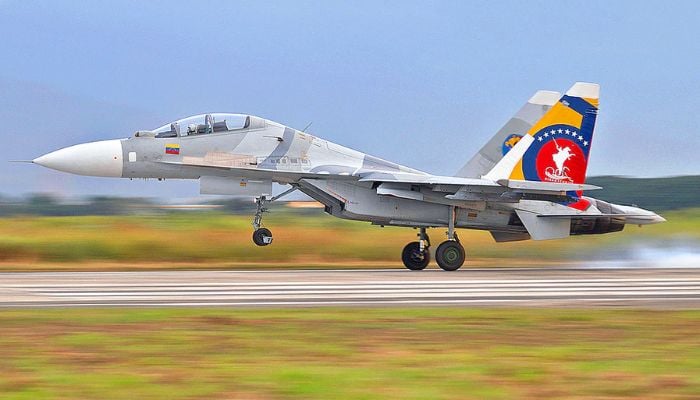
- Total aircraft: 229
- Fighters/Interceptors: 30
- Dedicated attack aircraft: 0 (weakness, ranked last)
- Transports (fixed-wing): 49 (strong, rank 19)
- Trainers: 75
- Helicopters: 88 (including 10 attack helicopters)
- Special mission/Tankers: Few (3 special-mission, 1 tanker)
No dedicated ground-attack aircraft; limited modern fighters limits Venezuelan airpower.
Land Forces
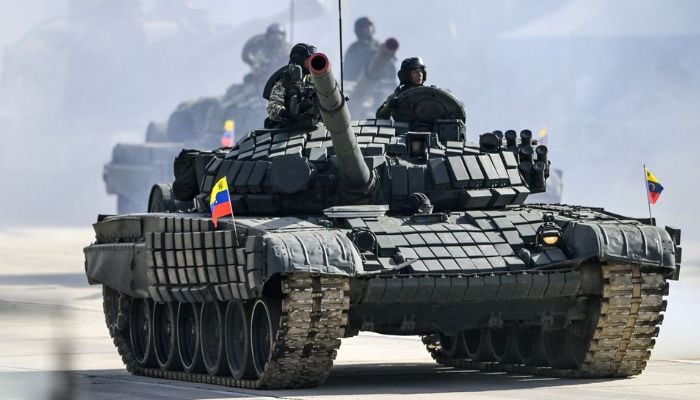
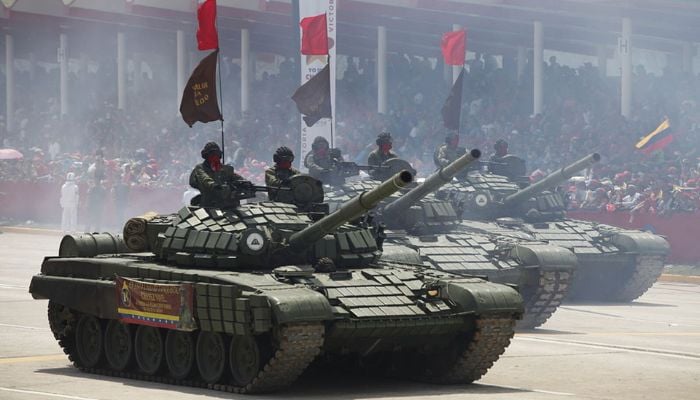
- Tanks: 172 (estimated readiness 103)
- Armored vehicles: 8,802 (rank 45)
- Self-propelled artillery: 48
- Towed artillery: 100
- Rocket projectors (MLRS): 36
Naval Forces
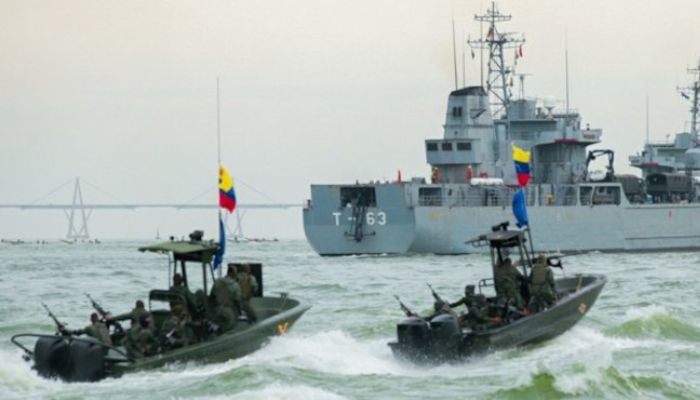
- Total assets: 34 (rank 55)
- Frigates: 1
- Submarines: 1 (diesel-electric)
- Patrol/offshore vessels: 25
- No aircraft carriers, destroyers, corvettes, or mine warfare vessels
Natural Resources
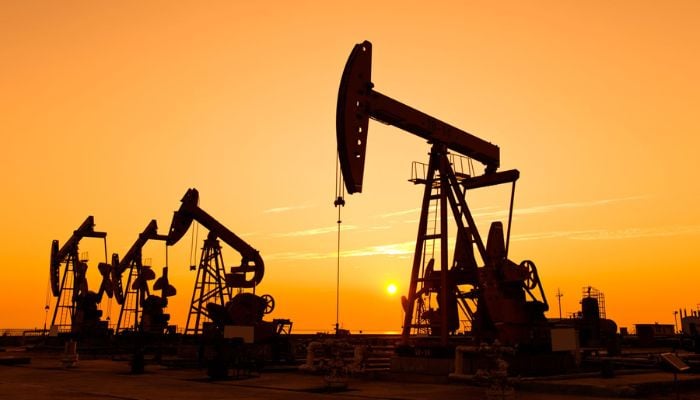
Venezuela holds the world's largest proven oil reserves (~304 billion barrels, rank 1), producing 761,000 barrels/day (surplus after domestic consumption). It also has significant natural gas reserves (rank 10) and is self-sufficient in gas.
This provides strategic fuel independence but limited direct military leverage due to economic sanctions and infrastructure issues.
Financials
Defense budget: $4.1 billion USD (rank 57)
External debt: $110 billion (high burden)
Foreign reserves: $10 billion
Venezuela's military is regionally significant in South America but faces limitations from outdated equipment, low reserves, economic crisis, and international isolation.
It excels in defensive posture roles due to manpower and geography, but lacks power projection or advanced air or sea dominance.
In comparison, the U.S. fields over 1.3 million active personnel (plus massive reserves), thousands of advanced aircraft, including over 2,000 fighters and hundreds of attack helicopters.
It has more than 5,000 tanks, a vast armored fleet, and the world's premier navy with 11 aircraft carriers, dozens of submarines, destroyers and global power projection capabilities—backed by a defense budget exceeding $850 billion annually.