Japan delays restart of world's largest nuclear plant over safety glitch
Safety alarm malfunction delays restart of Japan’s Kashiwazaki-Kariwa reactor
Published January 20, 2026
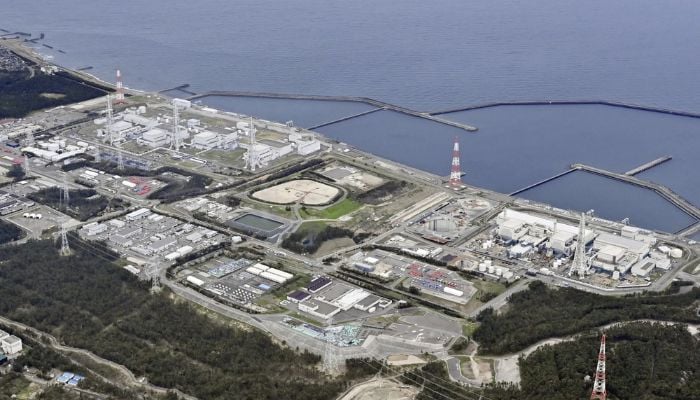
Japan planned the restart of world’s largest nuclear power plant at Kashiwazaki Kariwa. However, the restart has been postponed one day before its scheduled return to service.
Tokyo Electric Power Company (TEPCO) confirmed the delay, citing a failure of a safety alarm.
The malfunction was detected during a pre-startup test on Saturday, January 17. Despite the alarm system’s safety being activated, no audible alert sounded, prompting an immediate suspension of the procedure.
The engineers at TEPCO identified that the fault was due to incorrect system settings, which have now been corrected.
Authorities confirmed that the reactor is now “recovered from the deviation,” but has decided to proceed with additional caution, delaying the restart for an indefinite period.
The setback is under close monitoring as it is TEPCO’s first attempt to restart a reactor since the 2011 Fukushima Daiichi disaster.
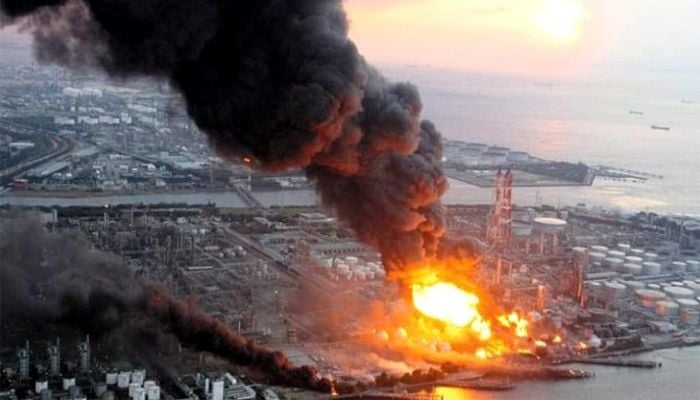
The nuclear plant has 7 reactors and a capacity of 8.2 gigawatts. It has been shut down since 2012.
If Japan restarts only one reactor unit successfully, it will help reduce fossil fuel imports and meet climate goals.
Why did Japan shut down the world's largest nuclear plant in 2011?
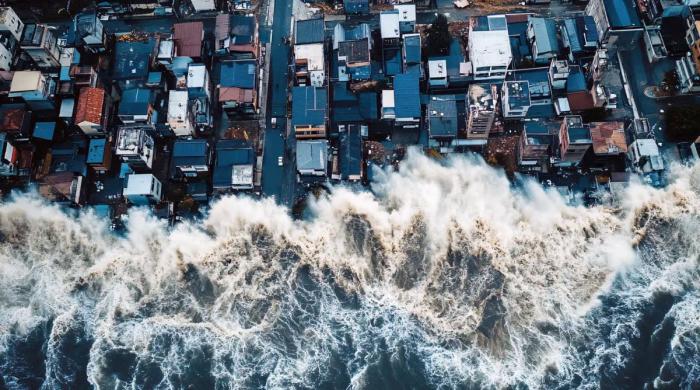
The world's largest nuclear plant, Kashiwazaki Kariwa, was abandoned by Japan following the 2011 Fukushima Daiichi disaster. In 2011, an earthquake and a tsunami triggered a meltdown at Fukushima, leading to the shutdown of all reactors due to safety precautions.
Other safety and regulatory hurdles also contributed to delays in its reactivation, although other plants have restarted.