Sam Altman admits performance decline in GPT-5.2: 'Screwed' creative features
Sam Altman says decision to prioritise intelligence, reasoning, and coding over creative writing in GPT-5.2 was intentional
Published January 31, 2026
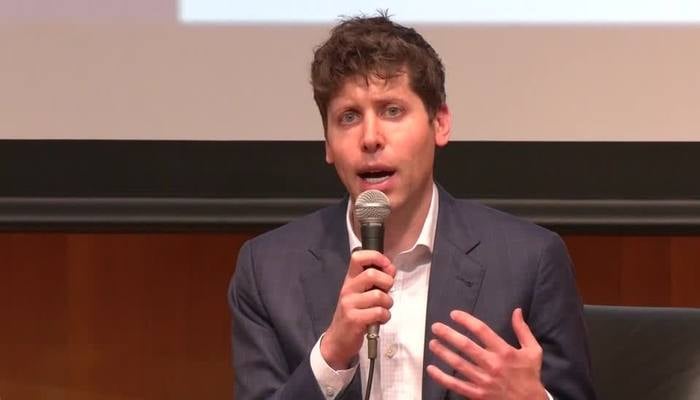
In a candid discussion, OpenAI CEO Sam Altman openly acknowledged that the company’s latest AI model, GPT-5.2, was not as expected, admitting that the team “screwed that up” regarding certain creative aspects of ChatGPT’s performance.
His remarks about what's claimed as the best GPT version have rekindled discussions about the future of the world’s most used AI chatbot.
“I think we just screwed that up,” he stated, while emphasising the need for future versions of the GPT 5.x series to improve writing capabilities significantly compared to GPT-4.5.
The OpenAI bellwether also answered users' concerns about the writing quality of GPT-5.2. Explaining, he said that the decision to prioritise intelligence, reasoning, and coding over creative writing was intentional. “We have limited bandwidth here, and sometimes we focus on one thing and neglect another.”
This deliberate approach has prompted a debate within the AI industry about whether advanced AI models can enhance all capabilities at the same time or if technical performance improvements come at the cost of language and usability skills.
Social media has been flooded with users lamenting the visible decline in GPT-5.2's capabilities, with many early adopters reporting that GPT-5.2’s outputs felt less human-like and creative compared to earlier versions.
Mehul Gupta, a data scientist, criticised GPT-5.2 in a review, highlighting issues such as a flatter tone, weaker translation abilities, and problems with handling real-world documents.
As OpenAI is facing ever-growing competition from rivals like Google’s Gemini, the challenges with GPT-5.2 raise important questions about the balance between technical advancements and creative capabilities in AI development.