Next-gen Waymo robotaxi set for commercial ride-hailing, but first for Waymo employees
Currently, Waymo offers its fully driverless service in Jaguar I-Pace vehicles
Published February 13, 2026
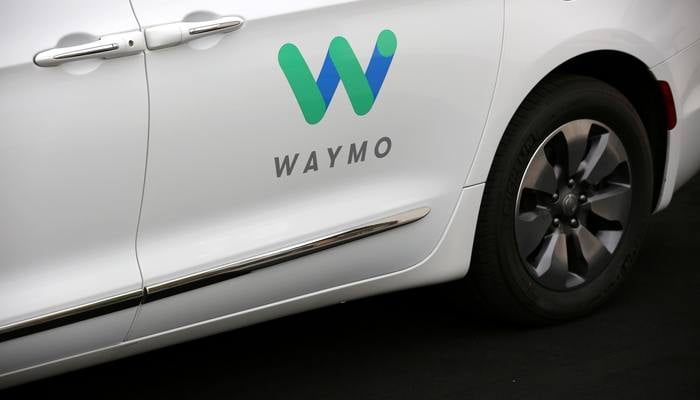
Waymo robotaxi service has been around for a good while, and now the next-gen Waymo service is good to go commercial after years of testing and validation.
Waymo announced that its sixth-generation Waymo robotaxi technology is finally ready for ride-hailing, and it will first be rolled out for Waymo employees and their friends in San Francisco and Los Angeles. The expansion for public customers will follow shortly.
Waymo vehicles for autonomous ride-hailing
Currently, Waymo offers its fully driverless service in Jaguar I-Pace vehicles running on the company's fifth-generation technology, but that system has reached the end of its shelf life. The updated Waymo technology is designed to be supported across multiple vehicle types, starting with the Zeekr RT minivan (rebranded as Ojai) and followed by the Hyundai Ioniq 5.
Waymo's sixth-generation system is the smartest, most capable autonomous vehicle Waymo has ever designed, the company claims, while using fewer sensors to lower its overall costs.
Why opt for Waymo's next-gen robotaxi for ride-hailing?
The upgraded Waymo's cameras are more powerful than previous iterations, and its lidar is able to see things the cameras might miss, and its improved radar can withstand extreme weather conditions.
The most important thing to note is that it's built for "high-volume production," and Waymo's manufacturing partners are capable of churning out "tens of thousands of units a year."
Robust multi-sensor approach
Waymo VP of engineering Satish Jeyachandran reflected on the importance of a multi-sensor hardware gear that provides the components necessary to create an efficient picture of the environment around each vehicle.
The vision system runs on high-powered 17-megapixel cameras, complemented by mindfully placed short-range lidar and affordable radar sensors.
After building on a successful robotaxi business in multiple markets, Waymo appears to be aiming to scale more rapidly and expand to 20 new cities in the US in 2026.