Valentine's Day aurora alert: THESE 12 States could see northern lights this weekend
Published February 14, 2026
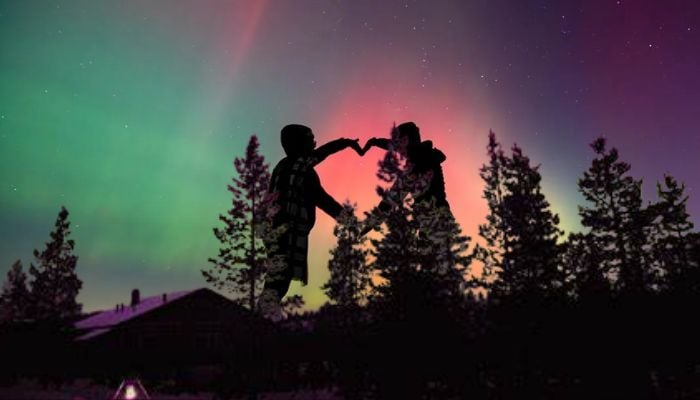
Stargazers could get a celestial delight this Valentine’s Day weekend only if the northern lights appear on camera.
According to the forecast by the National Oceanic and Atmospheric Administration’s Space Weather Prediction Center, the northern lights could also be visible to the naked eye across northern U.S. states and Canada once the sun goes down on both nights, Saturday, February 14, and Sunday, February 15.
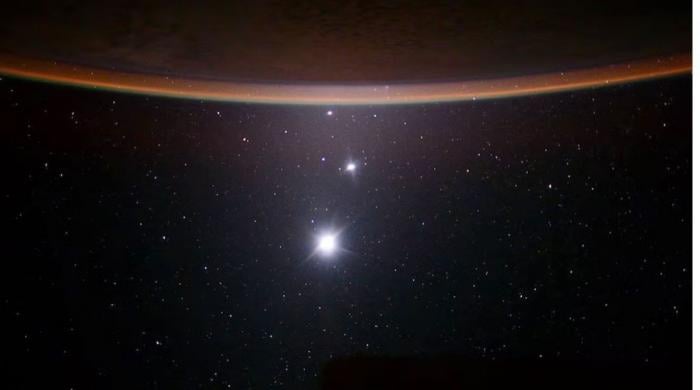
The chances of an aurora coming are right when the planets line up perfectly in the night sky, with a new moon arriving on February 17.
Northern Lights forecast: what’s the deal on Valentine’s Day?
Weather center officials have predicted better viewing conditions on Valentine’s night when a disturbance in solar wind hits Earth’s atmosphere.
According to NOAA, a coronal hole in the sun’s atmosphere is releasing solar wind toward Earth.
This is the reason why forecasters say we might see Northern Lights this weekend.
Northern Lights forecast: what to expect on Sunday?
Sunday’s forecast is much stronger than the night of February 14, thanks to a solar blast adding fuel to the solar wind.
The NOAA’s forecast states, “G1 (minor) geomagnetic storms are likely on 15 Feb due to combined potential from a recurrent coronal hole and a passing coronal mass ejection.”
ejection,” states NOAA’s forecast. The solar wind is at its most potent after an Earth-directed CME, a vast cloud of highly energetic, charged particles that can interact with Earth’s magnetic field to trigger geomagnetic storms.
Which 12 U.S. states could see the aurora?
U.S. states that could witness the aurora include Alaska and (northerly parts of) Washington, Idaho, Montana, Wyoming, North Dakota, South Dakota, Minnesota, Wisconsin, Michigan, New York, and Maine.
Dark northern skies away from urban light pollution are likely to offer the best viewing experience.