5 surprising facts about Mardi Gras you may not know
Mardi Gras 2026 takes place on Tuesday, February 17
Published February 17, 2026
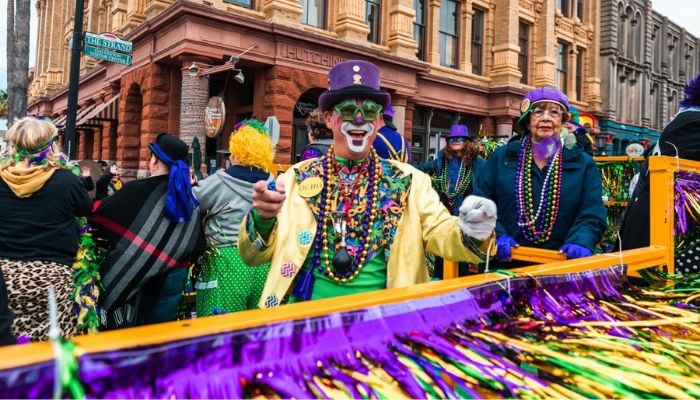
Streets are about to turn purple, green, and gold as communities celebrate Mardi Gras.
The celebration dates back centuries, preceding the Christian season of Lent.
Commonly known as “Fat Tuesday,” Mardi Gras is celebrated the day before Ash Wednesday, representing the start of Lent, 40 days of fasting and reflection leading up to Easter.
The tradition linked to European Christians serves as a final opportunity to enjoy rich foods before the more solemn season starts.
Here are some surprising facts about Mardi Gras that you may not know.
It’s a legal holiday in Louisiana
Mardi Gras is officially celebrated across the United States. However, the government of Louisiana declares it an official holiday. Considering how deeply the festival is woven into the state’s culture, the government offices and schools remain closed.
Mardi Gras colors have meaning
The official colors (purple, green, and gold) are not chosen randomly. In 1872, the Krewe of Rex in New Orleans assigned meaning to them. Purple represents justice, green indicates faith while gold is the symbol of power.
Mask wearing is required by law
Legal bodies in New Orleans have mandated float riders to wear masks. The rule dates back to the 19th century and was designed to encourage anonymity and social equality during the festivities.
UNESCO Belgium recognises it formally
The Carnival of Binche in Binche holds so much significance culturally that it was recognised by UNESCO as part of the Intangible Cultural Heritage of Humanity. Performers known as Gilles throw oranges into crowds as part of the celebration.
Largest free party in the U.S.
Mardi Gras is also known as the largest free party in the United States, attracting over a million visitors in peak years.
From medieval Europe to modern-day America, the celebration continues to blend faith, culture, and community. Mardi Gras is set to conclude at midnight.