Healthy Ramadan meal plan that keeps you energized until Iftar
Incorporate fiber-rich, lean proteins and healthy fats in Suhoor to stay energized until Iftar
Published February 18, 2026
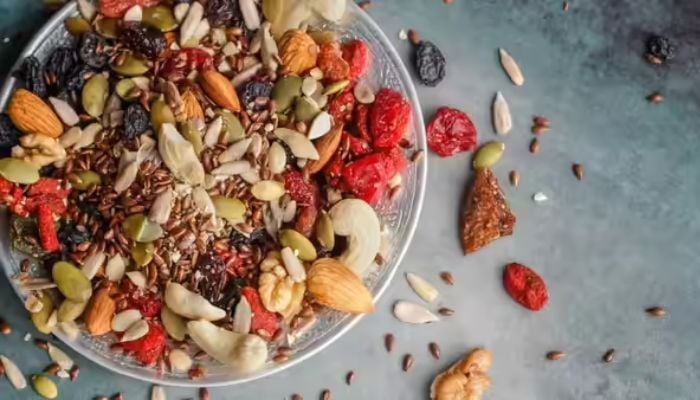
As the holy month of Ramadan is around the corner, nutritionists emphasize the significance of a well-planned diet to maintain energy, hydration, and overall health during fasting.
Experts stress that the pre-dawn meal, Suhoor, plays a crucial role in sustaining energy levels throughout the day.
To create a balanced meal during Suhoor, focus on incorporating slow-digesting complex carbohydrates like oats, whole-wheat bread, brown rice, and barley to maintain stable sugar levels.
Combining these with lean proteins like eggs, yogurts, beans, or nuts preserves muscle strength and maintains satiety.
Drinking 1-2 liters of water and consumption of hydrating foods like cucumber and oranges, etc., are also essential to prevent dehydration during fasting hours.
A healthy meal at iftar is as important as in Suhoor. It is advised to start with 1-2 dates and a glass of water to replenish electrolytes and glucose levels.
A balanced iftar includes half of the plate with vegetables, a quarter of lean proteins and the remaining quarter with complex carbs, which helps the body to regain its energy levels.
Fried, heavily processed and sugary foods should be avoided to control indigestion and energy crashes.
Balanced meals combined with moderate portions can help manage weight while supporting overall well-being. By making mindful choices at Suhoor and Iftar, fasting individuals can stay energized, hydrated, and focused on spiritual practices throughout Ramadan.
However, it is important to note that meal suggestions may vary on the basis of individual health, medical conditions, and personal needs. Always consult a doctor or dietitian before making any aggressive changes to your diet, especially during Ramadan.