Nvidia CEO Jensen Huang claims AGI has arrived, though experts remain divided
‘We’ve achieved AGI,’ Jensen Huang’s bold claim sparks heated debate
March 24, 2026
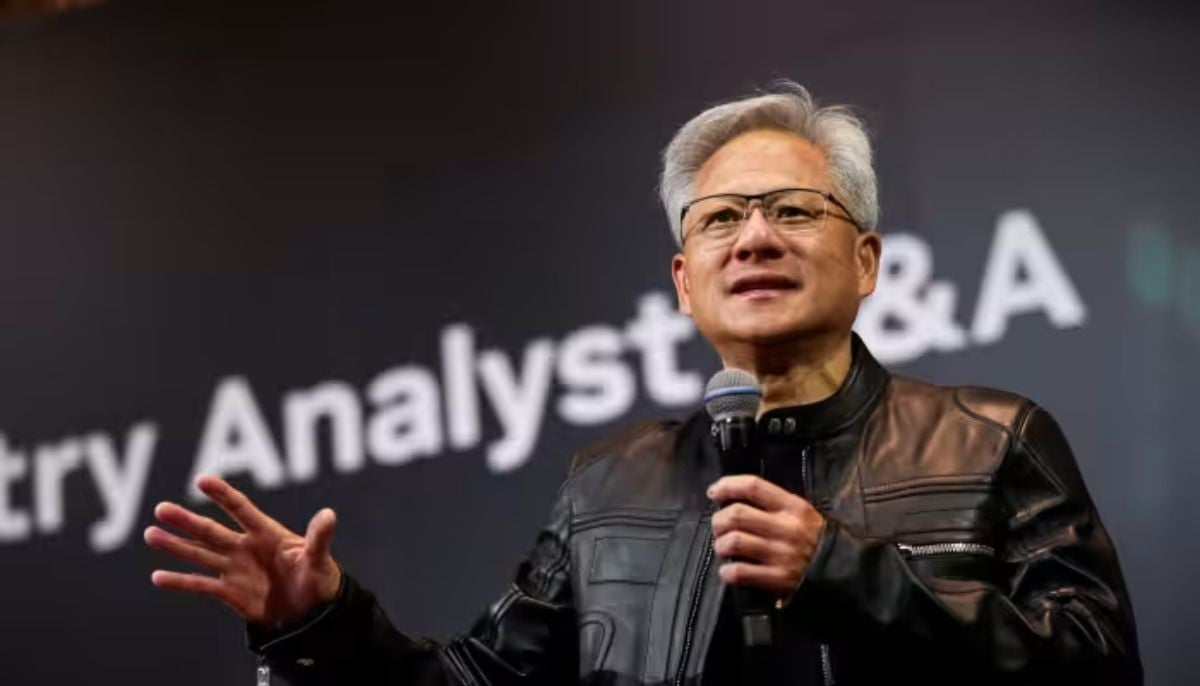
Nvidia CEO Jensen Huang has declared that artificial general intelligence (AGI) has effectively been achieved, though the claim hinges entirely on how the term is defined.
While taking on the Lex Fridman podcast, Huang responded to an imaginary scenario where AGI could perform a CEO’s job.
Fridman’s perspective was that the artificial intelligence that is capable of running a successful tech company, especially one that is valued at over a billion dollars, would qualify as AGI.
To this, Huang answered: “I think it’s now. I think we’ve achieved AGI.”
Huang referred to a modern autonomous AI system that is capable of theoretically creating viral web series, digital influencers, or short-lived social apps that amass millions of users.
But quickly he added a critical caveat: “The odds of 100,000 of those agents building Nvidia (are) zero percent.”
In simple words, AI can manage independent tasks or even create fleeting successes, but it remains incapable of sustaining a complex, long-term enterprise like his own company.
Although it was a mere discussion, it highlights a deeper problem that AGI lacks a universally accepted definition.
Generally, AGI is considered an advanced form of AI that can understand, learn, and use knowledge across many tasks at a level equal to or even better than that of the average human.
Huang’s remarks arrive amid growing debate over AI’s role in the workplace. Instead of wholesale job replacement, experts note a more subtle shift, i.e., workers who master AI tools are gaining a decisive edge over those who do not.