Pakistan shows progress in child and maternal health inequality remains: PBS
Punjab leads with 79% immunisation, Balochistan at 54%, Sindh records 66%, KP stands at 69%
Published March 31, 2026
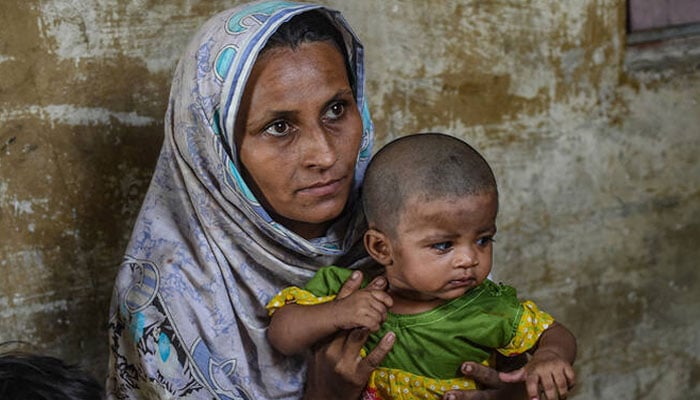
- Improvements seen in immunisation, birth attendance rates.
- Regional and socio-economic disparities still remain high.
- Full immunisation coverage rises from 68% to 73% nationwide
ISLAMABAD: Pakistan has seen notable progress in major child and maternal health indicators from 2018–19 to 2024–25. according to the findings, drawn from the Household Integrated Economic Survey (HIES) 2024–25 and compiled the Pakistan Bureau of Statistics.
The findings show progress in immunisation coverage, skilled birth attendance, and child survival rates, though disparities across regions and socio-economic groups remain significant, The News reported.
Immunisation coverage has improved modestly over the period, with record-based full immunization rising from 68% to 73%, and combined record and recall estimates increasing from 76% to 78%.
However, provincial gaps persist, with Punjab reporting 79% coverage compared to 66% in Sindh, 69% in Khyber Pakhtunkhwa, and 54% in Balochistan.
Child health trends present a mixed picture. The prevalence of diarrhea among children under five has increased from 6% to 10%, while consultation with healthcare practitioners has declined from 84% to 77%.
At the same time, the use of oral rehydration salts (ORS) has improved from 53% to 60%, indicating some positive shifts in home-based treatment practices.
Mortality indicators show steady improvement. Infant mortality has declined from 57 to 47 deaths per 1,000 live births, while neonatal mortality has fallen from 41 to 35 per 1,000. Despite these gains, both indicators remain at levels that health experts consider high.
The analysis highlights maternal education as a critical factor in child survival. Infant mortality among children of mothers with no education stands at 72 per 1,000 live births, compared to just 11 among those whose mothers have higher education.
Maternal healthcare has also improved notably. The proportion of home deliveries has dropped from 30% to 16%, while skilled birth attendance has increased from 70% to 84%. More births are now taking place in health facilities, with doctors playing a leading role in delivery care.
Overall, the report describes Pakistan’s progress as meaningful but uneven, with improvements in key indicators offset by persistent inequalities linked to geography, access to healthcare, and maternal education.