UAE quits OPEC, OPEC+ in major blow to oil alliance amid Iran war: Here's why
‘Being a country with no obligation under the group will give us flexibility,’ UAE energy minister says
Published April 28, 2026
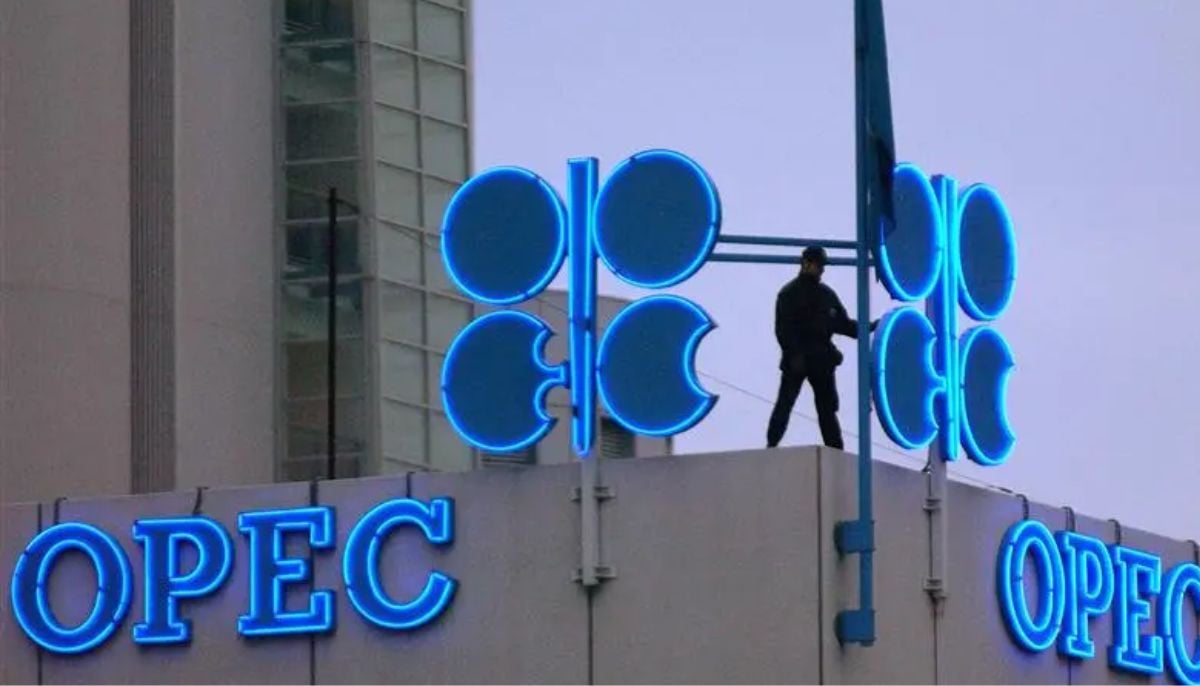
The United Arab Emirates (UAE) announced its withdrawal from the Organization of the Petroleum Exporting Countries (OPEC) and OPEC+ on Tuesday, April 28.
This move gives shockwaves to the oil cartel as the Iran war triggers a historic energy crisis.
The withdrawal will be effective from May 1, 2026, marking the exit of the UAE from the strategic realignment.
The announcement is confirmed by the Energy Ministry, which stated that the move will help the Gulf nation meet shifting global demand, enabling it to slowly ramp up production without being bound by the group’s quotas.
H.E. Suhail Mohamed Al Mazrouei, UAE energy minister, said: “Being a country with no obligation under the group will give us flexibility.”
The decision comes after harsh criticism by top UAE officials about the inadequate response of the Arabs and the Gulf states to several Iranian military operations during the war. “While the Gulf countries have helped each other logistically, politically, and militarily, I think their stance has been the weakest ever,” said Anwar Gargash, an adviser on foreign affairs to the president of the UAE.
Amid the Iran war, OPEC Gulf producers faced hurdles to export oil through the Strait of Hormuz.
Critics also aligned the departure with Trump’s alliance as U.S. president repeatedly accused OPEC of “ripping off the rest of the world” with inflated oil prices and associated U.S. military support for Gulf nations to lower fuel costs.
Primarily, the UAE left OPEC and OPEC+ to gain strategic flexibility, but the move also aligns with the long-term economic vision of the country.
The UAE justified its choice of timing because the move would not disrupt the market significantly, owing to shipping capacity constraints. According to the Minister, ADNOC, which is the state-owned oil company, has become a global player in the entire energy value chain.
There is concern regarding the future stability of OPEC since one of its key members is leaving during a time of conflict and economic instability.