Trump departs for China: What to expect from high-stakes diplomatic visit?
Trump boarded Air Force One after days of signaling that he wants 'serious deals' with Beijing
Published May 13, 2026
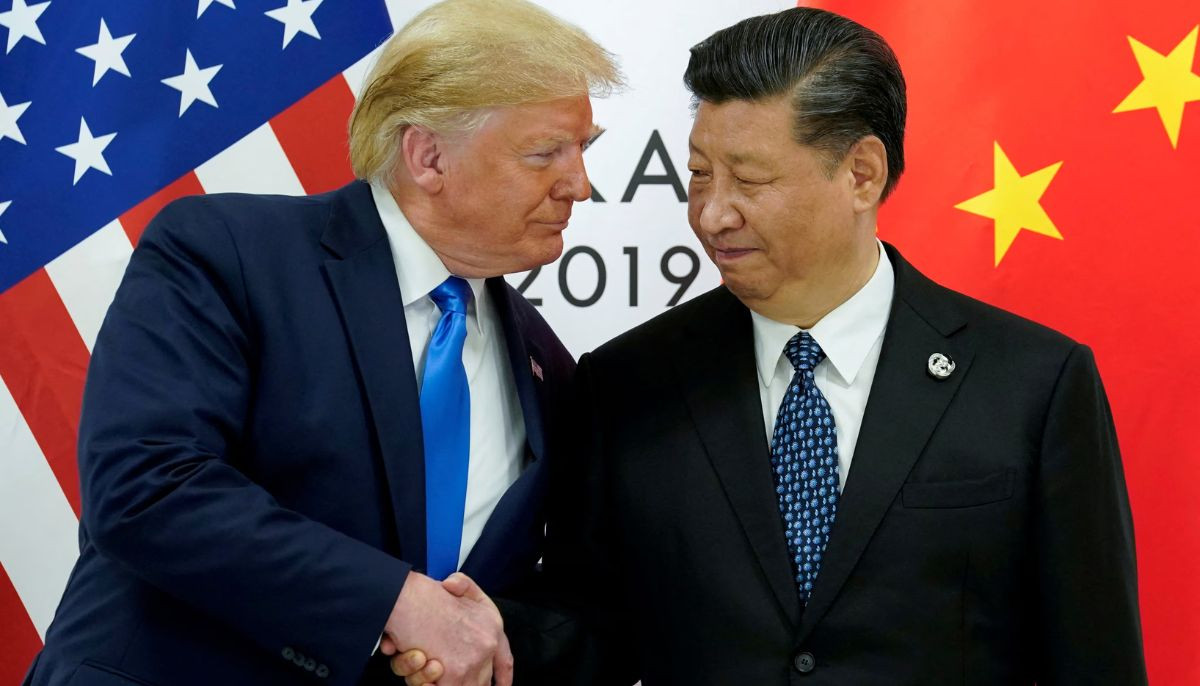
Donald Trump departed for China on Tuesday, May 12, 2026, in what is being described as one of the most consequential foreign visits of his second term amid Washington and Beijing’s attempts to stabilize their relationship.
China-U.S. relations have been strained by trade disputes, military tensions, technology restrictions, and the ongoing geopolitical reshaping triggered by conflicts in the Middle East.
The visit comes at a moment when both the United States and China have strong reasons to prevent tensions from escalating further as competition between the world’s two largest economies continues to deepen.
Trump boarded Air Force One after days of signaling that he wants “serious deals” with Beijing on trade, manufacturing, energy markets, and regional security.
Chinese officials, meanwhile, have framed the visit as an opportunity to “reset communication mechanisms” between the two world powers after months of economic retaliation and diplomatic friction.
While official schedules remain tightly controlled, Trump is expected to meet Chinese President Xi Jinping in Beijing for high-level talks.
Why this visit matters
The timing of the trip is very significant. The relationship between Washington and Beijing has deteriorated sharply over recent years. The two countries have clashed over trade imbalances, artificial intelligence, Taiwan, sanctions, cybersecurity, and competing military influence in the Pacific.
Trump’s return to office reignited fears in Beijing that another aggressive tariff campaign could further damage China’s slowing economy.
During his first presidency, Trump launched a trade war against China that reshaped global supply chains and pushed multinational companies to rethink their dependence on Chinese manufacturing.
Now, both sides appear to be searching for a more controlled phase of competition.
For the United States, inflation concerns and supply chain vulnerabilities remain major domestic political issues.
For China, slowing economic growth, declining foreign investment, and pressure from Western technology restrictions have increased the urgency for economic stabilization.
Trade expected to dominate discussions
Trade is likely to be the centerpiece of the visit.
Trump has repeatedly accused China of unfair trade practices, intellectual property theft, and flooding global markets with cheap goods.
Beijing, on the other hand, has criticized Washington for imposing tariffs and restricting Chinese access to advanced technology.
Analysts expect negotiations to focus on:
- Reducing tariffs on selected goods
- Rare earth mineral access
- Semiconductor restrictions
- Agricultural exports
- Manufacturing cooperation
- Currency stability
There is also growing interest in whether the two sides could reach limited agreements aimed at calming financial markets without resolving deeper structural disputes.
The geopolitical backdrop
Trump’s trip also comes during an unusually volatile global moment.
The ongoing Middle East conflict and disruptions around the Strait of Hormuz have rattled energy markets worldwide, increasing pressure on major economies to avoid further instability.
China remains one of the world’s largest importers of oil, while the United States is trying to prevent additional global economic shocks ahead of a tense election cycle and uncertain international environment.
Security issues are also expected to feature heavily in private discussions between the two governments.
U.S. officials remain concerned about China’s military posture near Taiwan and in the South China Sea, while Beijing has accused Washington of attempting to contain China’s rise through military alliances and export controls.
Symbolism matters too
Beyond policy, the optics of the visit carry major diplomatic weight.
Despite years of public confrontation, Trump and Xi have historically maintained a complicated personal dynamic marked by both praise and sharp criticism. Their meetings during Trump’s first term often blended public displays of warmth with tough behind-the-scenes negotiations.
This visit is expected to serve not only as a policy summit, but also as a test of whether Washington and Beijing can maintain strategic communication during a period of rising global instability.
For investors, diplomats, and allied governments watching closely from around the world, the central question is no longer whether the United States and China are rivals.