USCIS green card memo impact: Everything to know about Trump Administration's new policy
Trump Administration’s new green card policy sparks confusion, fear among immigrants
Published May 27, 2026
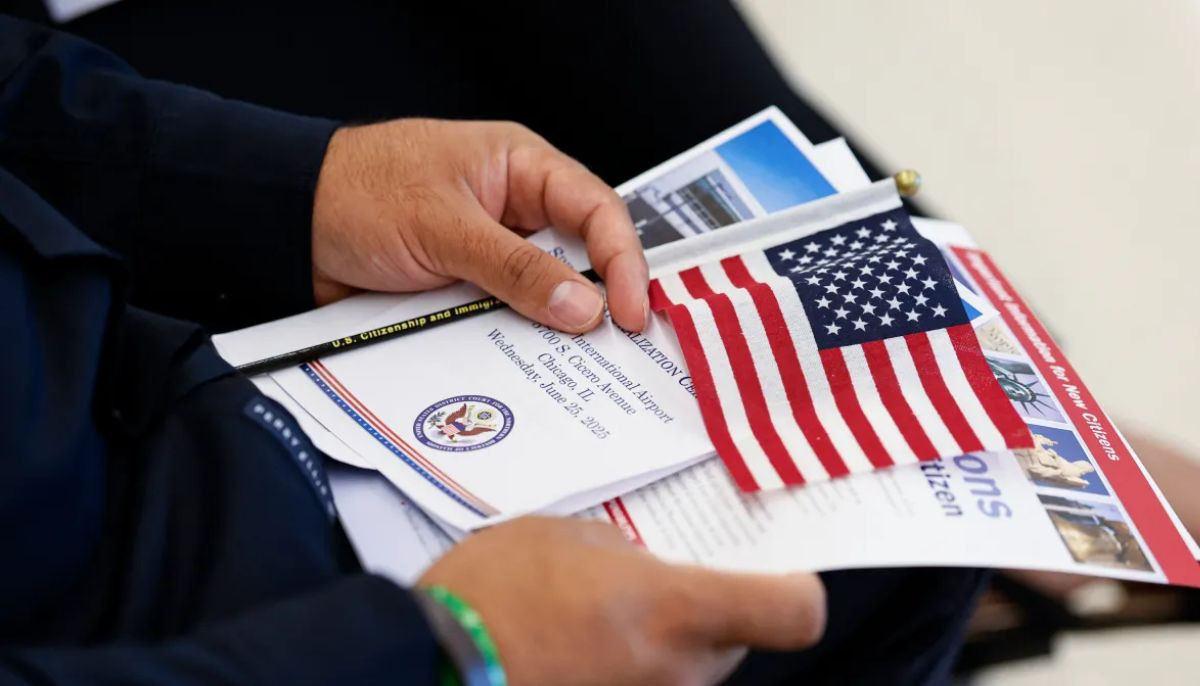
The Trump Administration’s sudden announcement requiring green card applicants to apply from their home countries has triggered widespread chaos, legal uncertainty, and anxious calls to immigration attorneys.
The major shift in the policy was announced on Friday, May 22, which U.S. Citizenship and Immigration Services (USCIS) potentially affects hundreds of thousands of legal immigrants annually.
What has changed
- Location of application: Green card applicants can only apply for permanent residency from their home country. If they are currently residing in the U.S., they need to leave immediately.
- Adjustment of status: The long-standing practice of “adjusting status” (application for a green card while lawfully present in the U.S.) is now referred to as an “extraordinary form of relief.”
- Exceptions are vague and narrow: Only a few people are eligible, who are identified as “economic benefit” or “national interest”. However, details on qualifications are still unknown.
- Dual-intent visas may be spared: People who have employment-based visas such as H-1B and L-1 are exempted as per the new policy memo.
- New interview questions: Green card applicants are now asked whether they have the intention of returning to their home country or not.
- Burden of proof shifted: Some applicants are now required to file forms proving they wouldn’t be a “public charge,” including submitting tax returns, employer salary letters, and bank statements.
- Self-removal risk: Departure from the U.S. to submit the application will result in either a three-year or ten-year ban from entering the country due to unlawful presence, rendering ineligible those who would otherwise qualify.
- Lack of access to court process: Processing of green card applications outside the United States is done using “consular nonreviewability,” whereby denial of application cannot be challenged in the American legal system.
- Applications that are pending and undecided: In excess of 1.2 million applications have been put on hold, leaving many people unsure about whether they should pursue their applications or delay.
The new changes have been chaotic. A detailed internal memo appears more nuanced than a public announcement.