Thailand revives $30B project to bypass key shipping bottleneck after Hormuz disruptions
Why Thailand wants to bypass the Malacca Strait with a massive new corridor?
Published June 19, 2026
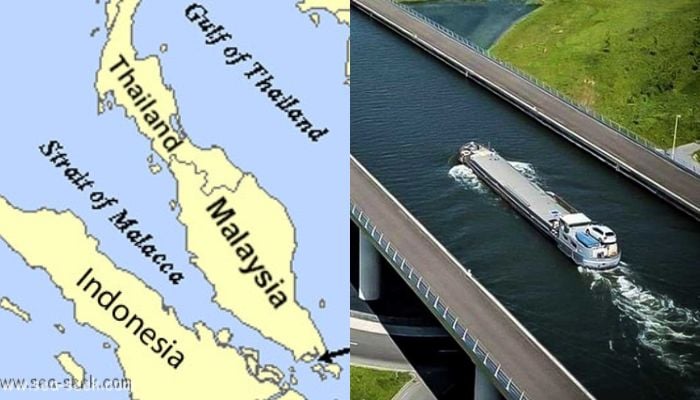
Thailand has revived plans for a $30 billion coast-to-coast transport corridor aimed at providing an alternative route to the strategically important Strait of Malacca, one of the world's busiest shipping lanes.
This comes after the recent closure of the Strait of Hormuz due to U.S.-Israel war against Iran highlighted the world’s dependence on maritime chokepoints. The closure particularly highlighted Thailand's vulnerability as the country is geographically located near the Strait of Malacca, another significant maritime checkpoint.
The proposed "Land Bridge" project would connect two new deep-sea ports in southern Thailand, Chumphon on the Gulf of Thailand and Ranong on the Andaman Sea, through a 90-kilometre rail and highway network.
In addition to improving energy security for the Thai nation, the corridor is projected to reduce logistics costs by nearly 30% and cut shipping times by up to 14 days for cargo moving between Asia, the Middle East and Europe.
According to government estimates, the transport link could handle up to 20 million shipping containers annually and attract cargo currently passing through the Strait of Malacca. Officials say the project is primarily targeting feeder cargo vessels rather than the world's largest container ships.
The Malacca Strait, located between Malaysia, Indonesia and Singapore, serves as one of the most important trade routes in the world, carrying a significant portion of global maritime commerce. Any alternative route has long been viewed as strategically valuable for regional governments and investors.
The ambitious project is facing severe push back from local fishing and farming communities, as their livelihoods could be disrupted by the development. Moreover, climate and maritime activists have also voiced concerns over the project's potential impacts on marine ecosystems.
Thailand's government is expected to receive a final review of the project by the end of July. The government is seeking private investors to move forward with one of the country's most ambitious infrastructure projects in decades.