Author kicked out of France's top book prize over AI writing— But did he actually use it?
Attempts to independently test the novel haven't produced a simple answer
Published September 27, 2026
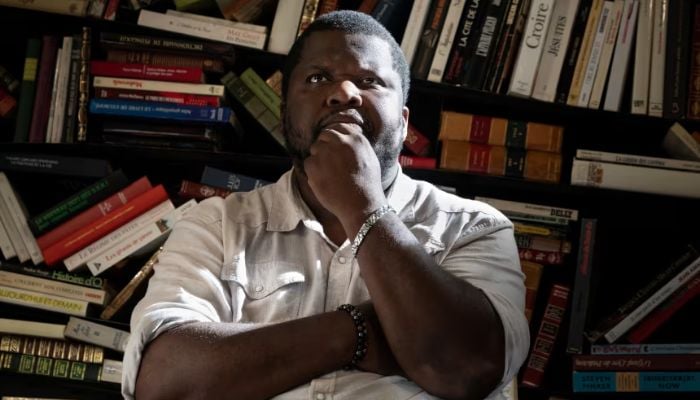
A novelist celebrated as one of France's biggest literary discoveries of the year has been thrown out of the country's most prestigious book prize after accusations that artificial intelligence wrote much of his novel.
There is one problem. The AI detectors don't agree.
Haitian-Canadian author Thelyson Orelien's debut novel, “It Was Either That or Die,” had been having an extraordinary run. It sold around 35,000 copies in France, secured translation deals in more than 20 countries and won the Prix du Roman Fnac.
It was also in contention for the Prix Goncourt. Then an account on X accused Orelien of using AI.
The account said it had put passages from the novel through AI detector Pangram, which identified the writing as almost entirely machine-generated.
Within days, the controversy exploded across France's literary world.
On Friday, the Goncourt Academy removed the novel from consideration, citing both AI analyses and separate plagiarism allegations involving Orelien's earlier work.
The author has denied using AI to write the book.
His publishers initially backed him, while he argued that the rhythms, repetition and imagery being questioned came from Haitian and Caribbean language traditions.
And attempts to independently test the novel haven't produced a simple answer.
Some tests have returned extremely high probabilities of AI involvement.
Others have reached the opposite conclusion.
AFP reportedly tried seven additional detectors and received results ranging from entirely AI-generated to entirely human, with several landing somewhere in between.
That matters because AI detection software has repeatedly faced questions over false positives and whether certain writing styles can be misidentified.
The Goncourt Academy, however, says several analyses point in the same direction and that it wants to protect a prize intended to recognise literature written by humans.
Orelien is now out of the race. Whether a machine actually wrote his novel remains much harder to establish.