Prince Harry 'broke' strict no-fly rule: King Charles' unexpected reaction
King Charles reaction was brief even people living around the royal estate were less enthusiastic
Published October 03, 2026
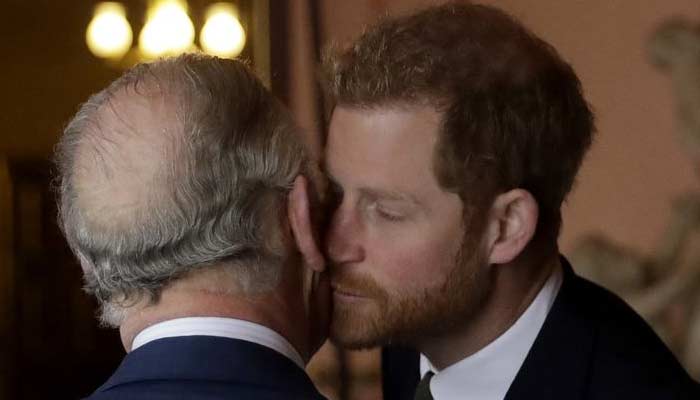
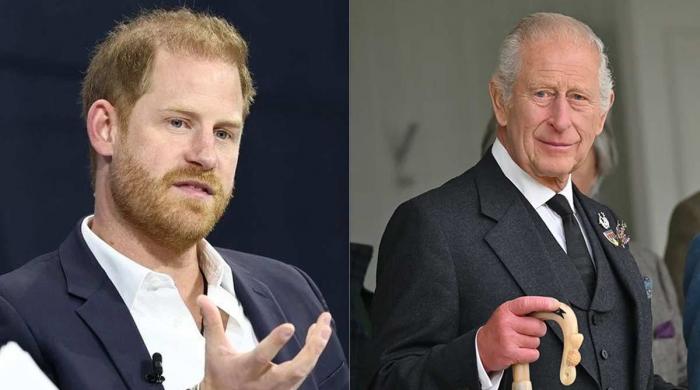
Prince Harry, who's currently in the UK, once broke the strict no-fly rule protecting King Charles' Sandringham estate.
The Duke of Sussex revealed how he used the royal family's private Norfolk estate, Andrew Mountbatten-Windsor's current residence, while training as a Forward Air Controller in 2007.
In his memoir Spare, Harry wrote: "He found me in the marshes, on a quad bike, talking to a Typhoon some miles off. While I waited for the Typhoon to appear in the sky overhead, we had a quick chat."
The Duke's exercises involved directing military aircraft, including Typhoon fighter jets, despite restrictions on flights around Sandringham.
Charles, now 77, had traveled to see his younger son training after spotting one of the jets carrying out low passes along the seawall.
King Charles was impressed by the work rather than furious about the extraordinary disturbance.
"He said he could see how good I was getting at this new job," Harry recalled. "Above all, he could see how hard I was working at it, and that delighted him."
The royal was required to master 28 combat controls as part of his training and chose Sandringham partly because its remoteness allowed him to work without attracting huge public attention.
Charles had his own experience of military aviation, having trained as a jet pilot with the Royal Air Force and as a helicopter pilot with the Royal Navy during the 1970s.
According to Harry, his father "loved" watching the aircraft traveling at "ungodly speeds" – although people living around the royal estate were considerably less enthusiastic.
Harry noted: "I mentioned that the good citizens of Wolferton didn't share his enthusiasm. A 10,000-kilo jet roaring just over their tiled roofs didn't exactly cause jubilation.
At the time, RAF Marham reportedly had received several complaints as Sandringham was supposed to be a no-fly zone. All complaints were told, 'Such is war.'"
However, Charles' response, according to Harry, was unexpectedly brief. He said: "Yes, yes, darling boy, back to work."
Barbecues are said to be prohibited across the estate's public areas because of the fire risk to the surrounding woodland and farmland, although designated accommodation areas have separate provisions.