Brain eating Amoeba found in Mexican lakes: How it spreads, symptoms, safety measures
Mexico tourist destination on alert after deadly Amoeba found in six lakes
Published October 16, 2026
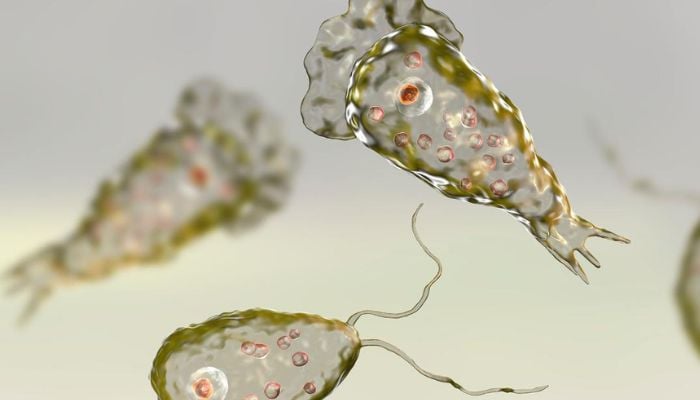
Health authorities in Mexico’s Yucatan state have closed six artificial lakes in Merida after confirming the presence of Naegleria fowleri, commonly known as the “brain-eating amoeba.”
The discovery follows the September death of a 34-year-old water sports instructor who contracted a fatal brain infection after working at an artificial lake at Plaza La Isla.
How it spreads
Naegleria fowleri thrives in warm freshwater environments, especially in subtropical and tropical regions. The amoeba enters the human body exclusively through the nasal cavity, typically when contaminated water is forced high into the nose during activities like swimming, diving, or water sports.
It then travels along the olfactory nerve to the brain. The infection can’t be spread from person to person through casual contact, surface splashes, or by drinking contaminated water.
Symptoms to watch for
Early symptoms of primary amoebic encephalitis (PAM) usually appear within one to nine days of exposure and may include headache, fever, nausea, vomiting, and stiff neck. As the infection progresses, patients may experience confusion, loss of balance, seizures, hallucinations, and coma.
The disease is extremely rare but almost always fatal, making early medical attention critical for anyone who develops symptoms after contact with warm freshwater.
Safety measures
Authorities have erected physical barriers and warning signs at affected lakes, requiring visitors to stay at least three meters from the water’s edge. Chemical sanitation protocols are underway, guided by the Autonomous University of Yucatan and the Centre of Research and Advanced Studies.
Parks remain open, but swimming and water contact are prohibited. Health officials advise avoiding unverified water sources and preventing water from entering the nose. The 361 people monitored after potential exposure completed observation without symptoms, confirming no additional cases.