'Frankenstein' movie review: How does it compare to the book?
Jacob Elordi and Oscar Isaac deliver emotional performances in 'Frankenstein'
December 01, 2025
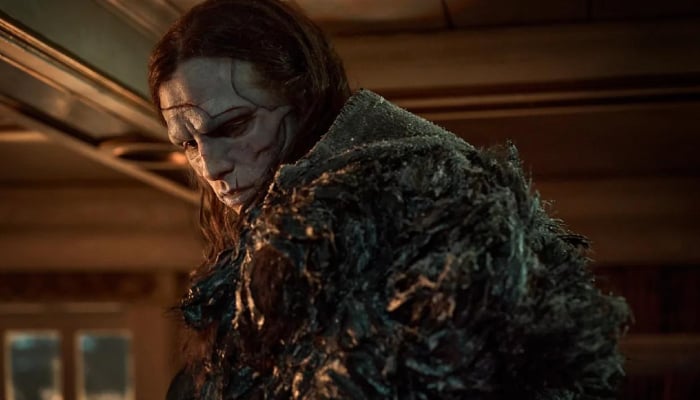
“The fallen angel becomes a malignant devil.” (Frankenstein)
Mary Shelley’s Frankenstein (1818) raises the age-old question about humanity: what makes one human? Is it appearance, is it knowledge, is it behaviour? The same question reverberates through Guillermo del Toro’s adaptation (2025) and forces its audience to think beyond the established parameters of their understanding.
Del Toro might have altered the plot details to better fit the form of film and the 21st-century audience, but he kept the crux of the text intact. The movie also carries the gothic, cold, dark, ominous atmosphere of the book, which transfers the reader to Victor Frankenstein’s (played by Oscar Isaac) isolated, gloomy laboratory and the desolate places the Creature (played by Jacob Elordi) finds refuge in.
As an adaptation, 2025’s Frankenstein arguably succeeds in fascinating the fans of the book and an unfamiliar audience alike. There’s hardly any element worthy of critique in the film; the alterations in the plot (for example, Victor’s problematic relationship with his father, Elizabeth Valenza as his brother William’s fiancée instead of the mad scientist’s) are not objectionable because they hardly affect the main story, that of a creator shunning his creation.
The Saltburn star and the Ex Machina actor moved their audience to tears with their performance in the movie as Elordi’s Creature struggles to find his identity after being alienated from the only person he knows, Isaac’s character, his sole parent, so to speak.
The movie, which was released on October 17, generated much discourse over social media, with the majority expressing sympathy for the Creature who is treated differently because of the way he looks, without so much as interacting with him. Can a creature who only knows himself as a monster, undeserving of love and nurturing, want anything other than taking revenge on the world that treated him unjustly?
Del Toro’s Frankenstein portrays the Creature in a more sympathetic light, than the book. His first scene after the Creature is born shows him fleeing Victor’s lodging in the book, whereas the movie shows him trying to learn his first words like an innocent child. The book also shows the Creature murdering Victor’s brother, fiancée, and best friend, Henry Clerval. The movie tends to minimise his wrongdoings and highlight his misfortunes. However, those can be looked over as necessary dramatisations to draw a clearer comparison between Victor and the Creature.
All things considered, Del Toro took on a brilliant project and succeeded in executing it brilliantly, too. Movies such as these, which not only familiarise the new audience with classic literature but also help them ponder such purposeful questions, are a desperate need of time.