Pakistan calls for protection of Muslim heritage on Babri Masjid demolition anniversary
Preservation of religious heritage, sacred sites is shared responsibility of int'l community, says FO
Published December 06, 2025
- Pakistan reaffirms its commitment to protect minorities' rights.
- Hindu fascist groups seen pushing against Indian Muslims.
- Islamabad calls for interfaith harmony, peaceful coexistence.
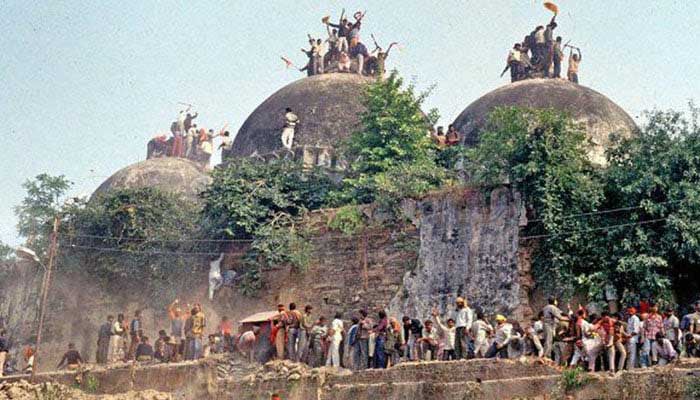
Marking the anniversary of the demolition of the centuries-old Babri Masjid in Ayodhya, Pakistan has urged the international community to help safeguard Muslim religious heritage.
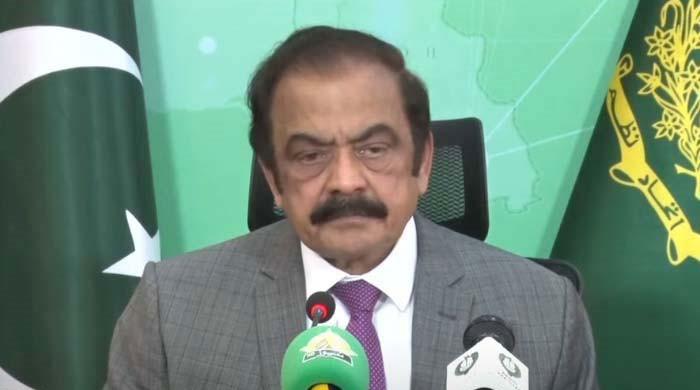
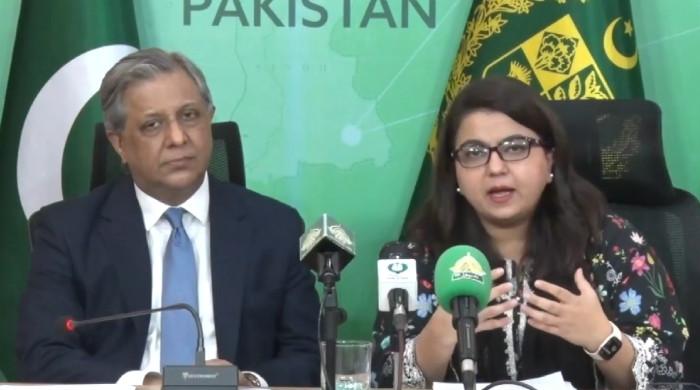
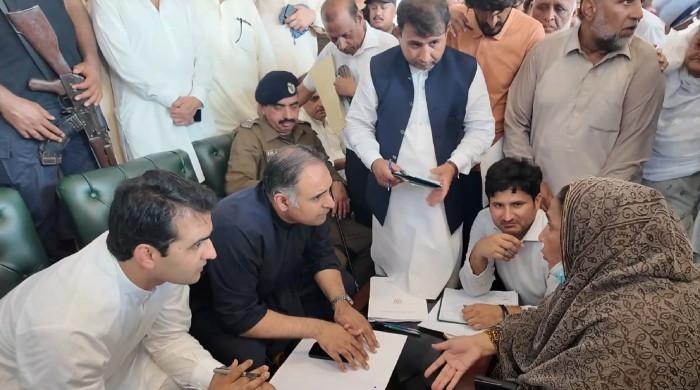
The statement was given by Foreign Office spokesperson Tahir Andrabi while responding to a question during his weekly media briefing on Friday.
In 1992, a Hindu mob destroyed the mosque, leading to widespread riots across India in which approximately 2,000 people lost their lives, primarily Muslims.
Hindus claim the site as the birthplace of Lord Ram and consider it sacred, with historical significance preceding the construction of the Babri mosque by Muslim Mughals in 1528.
In November, Indian Prime Minister Narendra Modi hoisted a saffron flag atop the Ram Mandir in Ayodhya at a ceremony, marking the formal completion of the temple more than a year after its consecration.
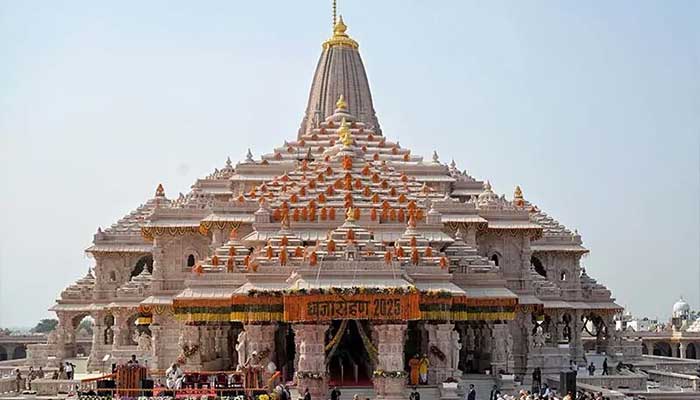
The site where the temple was constructed was the subject of a contentious dispute between Hindus and Muslims for many years.
"Babri Masjid is etched in our collective memory," said Andrabi, adding: "On December 6, 1992, this historic mosque in Ayodhya was destroyed in circumstances that continue to evoke deep sadness and concern. The event remains unsettling for all who stand against intolerance and religious discrimination."
Pakistan maintained that the preservation of religious heritage and sacred sites is a shared responsibility of the international community. "It is essential that all acts undermining Muslim religious symbols or historical legacy be addressed with transparency, accountability, and a firm commitment to justice," the FO spokesperson said.
Pakistan emphasised that the desecration of any place of worship constitutes a violation of the principles of religious equality and undermines the collective sense of security and mutual respect that all communities deserve.
It added that the continued sense of marginalisation and emotional distress experienced by Indian Muslims in the wake of this event remains a serious concern.
"Emboldened by state patronage, Hindu fascist organisations are now clamouring for the complete ghettoisation of Indian Muslims and other religious minorities."
Andrabi said that Pakistan values interfaith harmony and peaceful coexistence.
"We call upon the international community, including relevant UN institutions and influential global voices, to acknowledge the importance of safeguarding Muslim religious heritage and to help ensure that such painful incidents do not recur."
Pakistan also reaffirmed its commitment to protecting the rights and religious freedoms of minorities within its borders, in line with its legal obligations.
On the anniversary of the Babri mosque's demolition, the FO expressed solidarity with Muslims who continue to feel the enduring sorrow associated with this loss. "Let this occasion serve not only as a remembrance of a painful event but also as a reaffirmation of the universal values of dignity, justice, and respect for sacred heritage."
Pakistan urged the Indian government to foster an environment of tolerance and inclusivity, ensuring equal citizenship rights and mutual respect among all religious and cultural communities.