Scientists discover polar bears mutating DNA to survive in warmer environments
Survival of polar bears does not depend solely on genetics
Published December 13, 2025
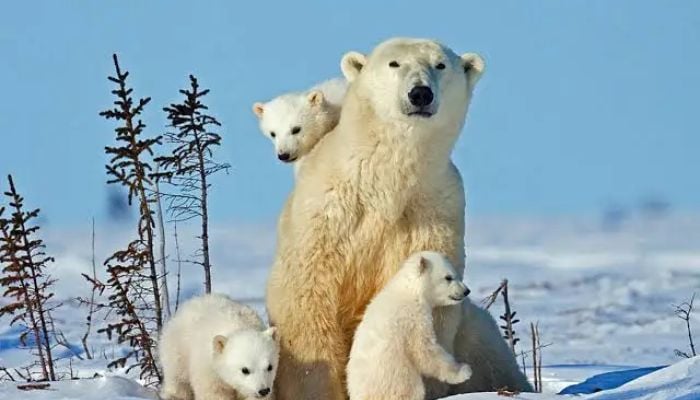
The worsening impacts of global warming are not only affecting humans, as a new study has revealed that polar bears have also adapted to global warming.
The new research published in the journal Mobile DNA discovered that the polar bears in the North Atlantic have mutated their DNA to adapt to higher temperatures.
An environmental scientist at the University of East Anglia and the study’s author, Dr Alice Godden, said, “This offers hope for polar bears but we must continue to reduce global carbon emissions.”
Previously, it was estimated that the polar bears would go extinct by 2050 due to continued rise in temperatures; however, the new research has provided hope that the estimates might change.
The survival of polar bears does not depend solely on genetics as several other factors, including food and ice, play a crucial role.
Global warming poses serious risks, as warming in the Arctic could result in food scarcity, isolation, starvation, ultimately leading to the extinction of the species.
The study analysed blood samples taken from polar bears living in northeast and southeast Greenland and found that the activity of jumping genes (also known as transposable elements) was much higher for bears in warmer regions of southeast, meaning that the animals are adapting to survive in extreme conditions.
In an article for The Conversation, Dr Godden expressed optimism that if these bears find enough food and breeding partners “they may potentially survive to new challenging climates”.