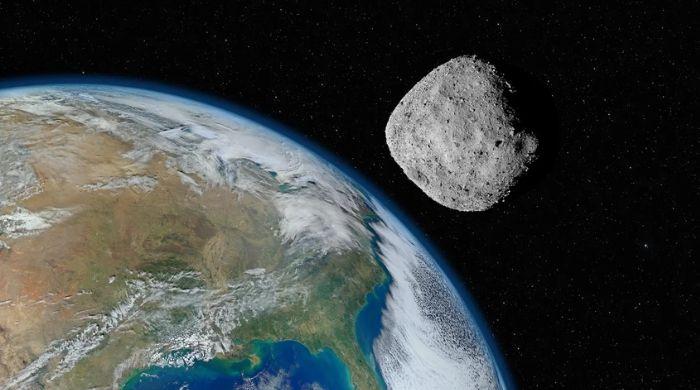
Scientists warn Greenland ice sheets could melt faster, raising urgency for coastal cities worldwide
New Discovery Under Greenland Signals Greater Risk of Rapid Sea-Level Rise
Published January 06, 2026
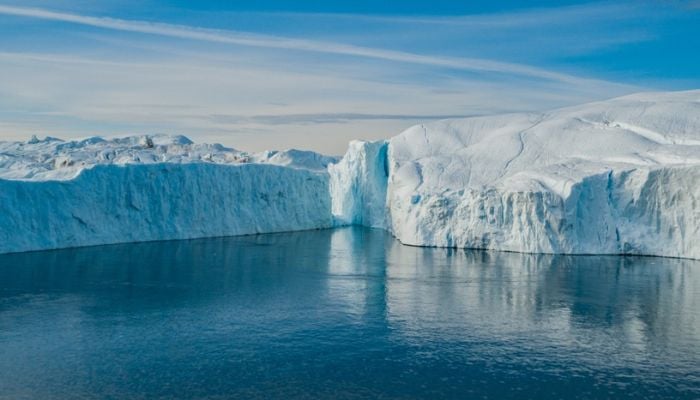
Scientists researching Greenland’s vast ice sheet have found evidence that poses a threat to coastal cities globally.
New research has found that large parts of Greenland’s ice sheet have entirely melted in the past, and this process could repeat as the planet continues to warm.
Rock samples drilled beneath Prudhoe Dome, a high point on the Greenland ice sheet, suggest that the ice there vanished within the last 10,000 years.
With this discovery, it is anticipated that even regions once thought stable are more vulnerable to climate shifts than previously believed. If such a melting occurs in the future, the world will face severe consequences.
Besides adverse human activities contributing to global warming, researchers from the University of Ottawa and international partners have identified another hidden factor. It is the uneven heat deep beneath Greenland that also accelerates ice loss.
Using advanced 3D temperature models built from satellite data, seismic readings, gravity measurements, and computer simulations, scientists discovered that the bedrock beneath the ice sheet is far warmer in some places than others.
This underground heat affects how easily ice can slide across the bedrock, speeding its movement toward the ocean. Faster ice flow means more meltwater entering the seas, contributing to rising ocean levels worldwide.
The heat patterns are linked to Greenland’s geological history, including its movement over a volcanic hotspot millions of years ago.
Researchers warn that failing to account for these subsurface temperature variations could lead researchers to underestimate how quickly Greenland’s ice is changing. That, in turn, could mean current sea-level forecasts are too conservative.
Hence, experts note that the future sea-level rise may happen faster than expected.