Pakistan 'arrests' Daesh-K spokesperson Sultan Aziz Azam
UN sanctions team cites arrests weakening terror outfit's propaganda operations regionally
Published December 18, 2025
- UN report details arrests and operational setbacks.
- Media, recruitment networks rendered inactive globally.
- Planned attacks foiled, Daesh-K commanders neutralised.
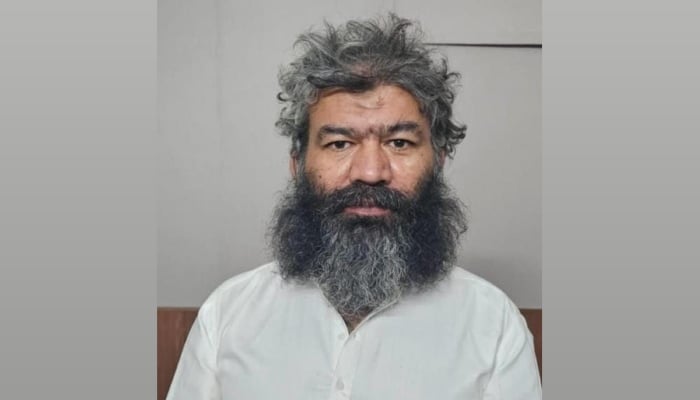
Pakistan's intelligence agencies have arrested Daesh-Khorasan spokesperson and media wing founder Sultan Aziz Azam, a United Nations (UN) report said.
The development is detailed in the 16th report of the UN Analytical Support and Sanctions Monitoring Team.
According to the report, Azam was arrested on May 16, 2025, by a Pakistani intelligence agency.
He is described as the founder of the terrorist group’s media wing Al-Azaim, a key organisation for recruitment and propaganda efforts.
The UN report noted that following his arrest, Daesh-K's media activities were effectively suspended, including the shutdown of major propaganda platforms such as Voice of Khorasan.
The report further stated that Pakistan's actions led to a broader weakening of the terror outfit's organisational structure at the global level.
Several planned attacks were thwarted, while the number of fighters declined, the UN report stated, adding that senior commanders and ideological leaders were also neutralised.
The report also highlighted that the arrests of Azam and senior leader Abu Yasir al-Turki significantly reduced the group's operational capability.
Sources have said that Azam had previously served as an adviser to the Nangarhar provincial council in Afghanistan before his role within the Daesh-K's media wing.
The report also mentioned cross-border attacks in Pakistan, mostly conducted by the banned Tehreek-e Taliban Pakistan (TTP) from the Afghan soil.
The UN report noted that the issue posed the "greatest short-term threat" to regional stability.