Japan clears final hurdle to restart world's largest Kashiwazaki-Kariwa nuclear power plant
One of the reactors is expected to restart in January
Published December 25, 2025
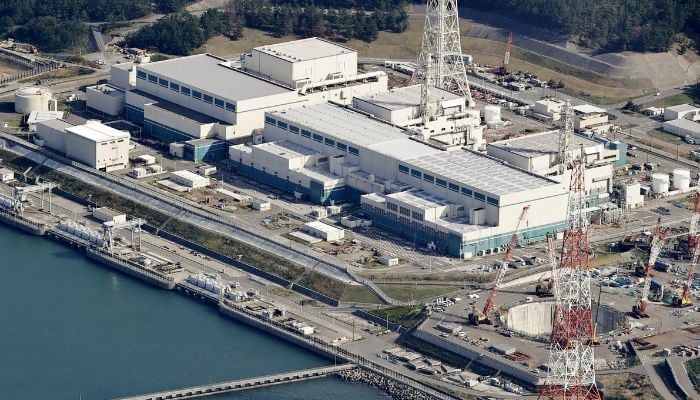
Japan has cleared the last major hurdle to restart the world’s largest nuclear power plant as the government successfully secured local consent.
The Kashiwazaki-Kariwa plant was shut down in 2012 after a meltdown at another plant managed by the same utility.
The government is now preparing to reoperationalise the plant after Niigata governor provided formal local consent on Tuesday to put two reactors back online.
The north-central prefecture endorsed the restart of the No.6 and No.7 reactors online following the government’s assurance to provide emergency response and ensure safety of the residents.
One of the reactors is expected to restart in January after final inspection by the Nuclear Safety Authority, while the other reactor may take a few more years.
Japan, which previously planned to phase out atomic energy after the Fukushima incident, has now reversed its policy due to changing geopolitical landscape, global fuel shortages, rising prices and pressure to reduce carbon emissions.
The country’s nuclear authorities said that out of 57 commercial reactors, 13 are in operation, 20 are offline and 24 are being decommissioned.
Out of seven reactors at the Kashiwazaki-Kariwa plant, No 6 and No.7 cleared safety tests in 2017 and an operational ban on the plant was lifted in 2023.
The plant once operational would be able to generate a total of 8.212 million kilowatts of electricity – enough carbon-free energy to power millions of homes.