Which world leaders have been captured by US previously?
Maduro joins Iraq’s Saddam, Panama’s Nigeria as latest leader taken by US
Published January 03, 2026
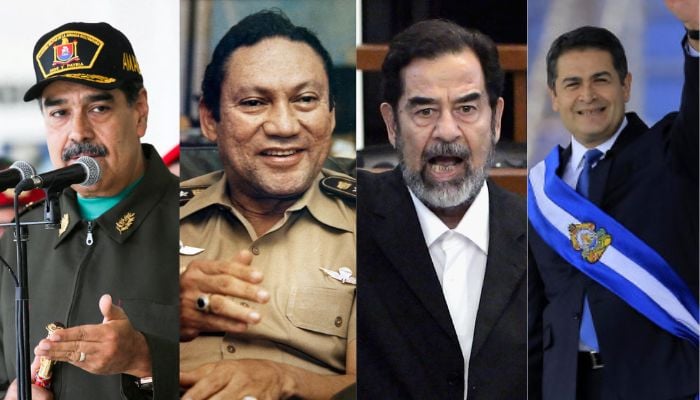
The reported capture of Venezuelan President Nicolás Maduro has placed him among a small and controversial group of world leaders seized by the United States, reviving memories of past U.S. intervention that reshaped entire regions.
With his capture, Maduro would join figures such as Iraq’s Saddam Hussein and Panama’s Manuel Noriega, whose arrests marked defining moments in US foreign policy.
U.S. President Donald Trump confirmed on Saturday, January 03, 2026, that Maduro and his wife, Cilia Flores, were captured and flown out of Venezuela following “large-scale” U.S. military strikes.
The announcement sent shockwaves across the globe. Following the announcement, Venezuela’s Vice President Delcy Rodriguez stated that the Government doesn’t know the couple’s whereabouts and demanded proof that they are alive.
Historically, the U.S. has captured sitting or former leaders only rarely but with consequential consequences.
Manuel Noriega
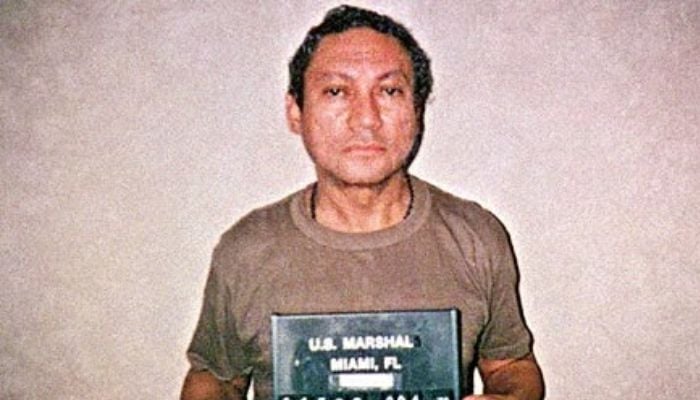
In 1989, U.S. forces invaded Panama and arrested military ruler Manuel Noriega, once a U.S. ally, on drug trafficking charges. He was flown to Miami, tried, and later imprisoned before dying in a Panamanian jail in 2017.
Saddam Hussein
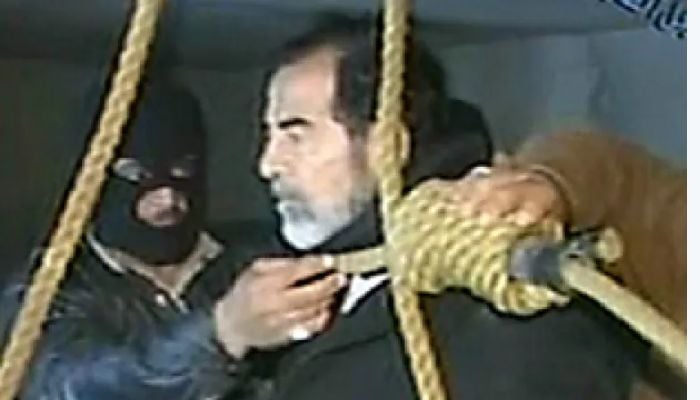
In Iraq, Saddam Hussein was captured in December 2003, nine months after the U.S.-led invasion justified by claims of weapons of mass destruction that were never found. An Iraqi court later tried Saddam. He was executed in 2006.
Juan Orlando Hernández
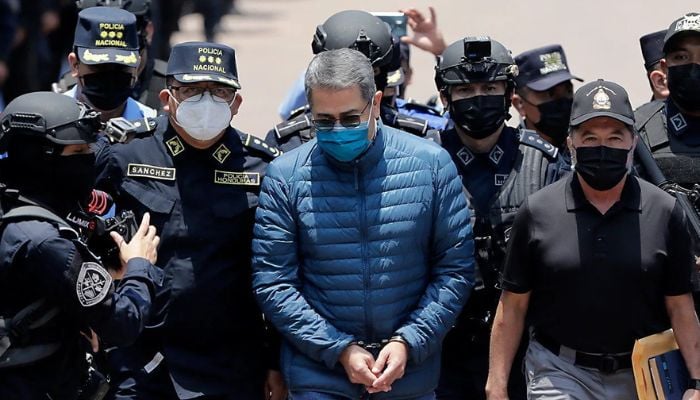
Honduras’s former president, Juan Orlando Hernández, was also extradited to the U.S. in 2022 on drug and corruption charges, though Trump controversially pardoned him in late 2025.
With Maduro’s reported capture, there’s a dramatic turn in U.S.-Venezuela relations and raises urgent questions about legality, regional stability, and who will finally fill the power vacuum left behind in Caracas.