How Canada's new policy removing 100% EV tariffs could benefit Tesla
Canada will allow import of up to 49,000 EVs annually from China, imposing tariff of 6.1%
Published January 19, 2026
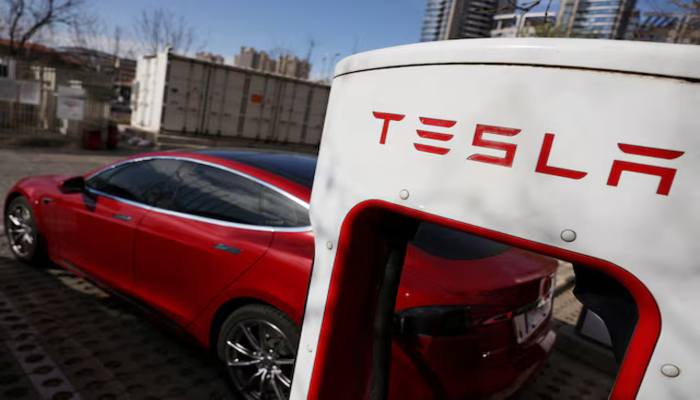
Renowned electric vehicle (EV) maker Tesla is all set to be one of the first automakers to benefit from Canada’s move to eliminate 100% tariffs on Chinese-made EVs.
This removal of tariffs on Chinese EVs follows Tesla's efforts to ship cars from its Shanghai facility and its well-established sales network in Canada, according to industry experts.
What is Canada's new policy to remove tariffs on Chinese-made EVs?
As part of an agreement announced last Friday, Canada will allow the import of up to 49,000 EVs annually from China, imposing a tariff of 6.1% on most-favoured nation terms.
"This new agreement could allow resumption of those exports quickly," said Sam Fiorani, the vice president of AutoForecast Solutions.
Canadian Prime Minister Mark Carney indicated that this figure could swell up to allow 70,000 vehicles within five years.
But the notable point of the agreement is that half of the quota is reserved for vehicles priced under 35,000 CAD ($25,189), which excludes all Tesla models, Reuters reported.
While many Chinese automakers are willing to make the most of this opportunity, Tesla has an edge over others. In 2023, it equipped its Shanghai plant—its largest and most cost-efficient factory—to produce a Canada-specific version of the Model Y.
The same year, Tesla began shipping the Model Y from Shanghai to Canada, boosting imports of automobiles from China to Vancouver by 460% year on year.
Tesla was forced to stop shipments in 2024 due to tariffs imposed by Ottawa, and then it switched to exporting Model Ys produced in Berlin.
It's worth mentioning that Tesla's affordable variants like the Model 3 are mostly built in China.
Tesla has an established network of 39 stores in Canada that further enhances its position against rivals like BYD and Nio, whose sales presence is absent in the country.