40 years after Challenger explosion, Artemis II raises fresh concerns about NASA safety
Published January 28, 2026
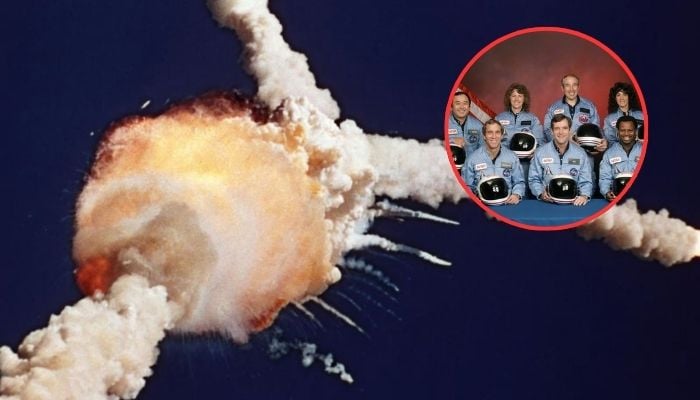
Forty years after the Challenger disaster, the National Aeronautics and Space Administration (NASA) is again confronting safety concerns as it prepares to send astronauts beyond Earth's orbit for the first time in more than five decades.
On January 28, 1986, the unfortunate incident of the Challenger explosion occurred, in which the space shuttle exploded 73 seconds after liftoff.
In this tragedy, all seven astronauts aboard lost their lives.
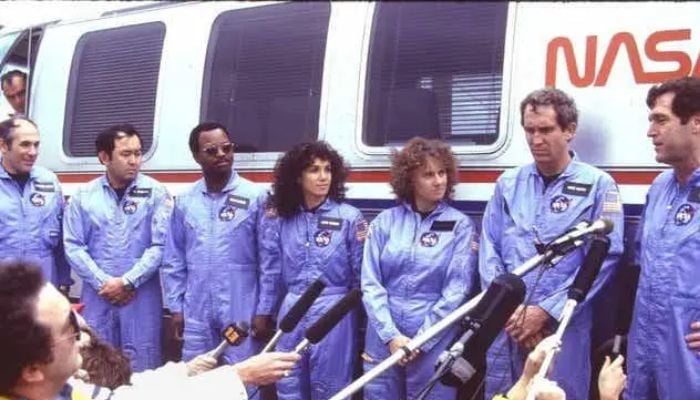
The incident exposed deep flaws in NASA’s engineering culture as well as decision-making abilities.
The disaster, followed by the loss of Columbia in 2003, brought about drastic changes to ensure that safety issues could not be pushed aside in favour of time constraints.
Today, many of the engineers and program managers involved in the Artemis II mission at NASA were just children when the Challenger disaster occurred. As the agency readies itself to send four astronauts on a mission to orbit the moon as early as next week, the memories of the Challenger disaster are once again alive.
Since Apollo 17 in 1972, Artemis II will be the first crewed flight of NASA’s Space Launch System rocket and Orion capsule in which humans will venture beyond low Earth orbit.
While the agency has acknowledged decades of safety reforms, scrutiny has intensified over unexpected erosion seen on Orion’s heat shield during an uncrewed test flight in 2022.
A major point of concern raised by experts is that, instead of redesigning the heat shield or conducting further tests, NASA just decided to adjust Artemis II’s reentry trajectory.
This decision raised questions about why NASA has not conducted risk assessments. NASA officials say the changes adequately address the issue and stress that risk is inherent in spaceflight.
NASA’s safety culture program manager stated, “Space is risky. We know that, and our astronauts know that.”
With Artemis representing a nearly $100 billion investment and the geopolitical and commercial pressures surrounding the exploration of the moon, it is clear that the mission will represent not only new hardware but also whether the hard-earned lessons of safety at NASA are truly enduring.