Bomb cyclones explained: Why they're so dangerous
Published January 28, 2026
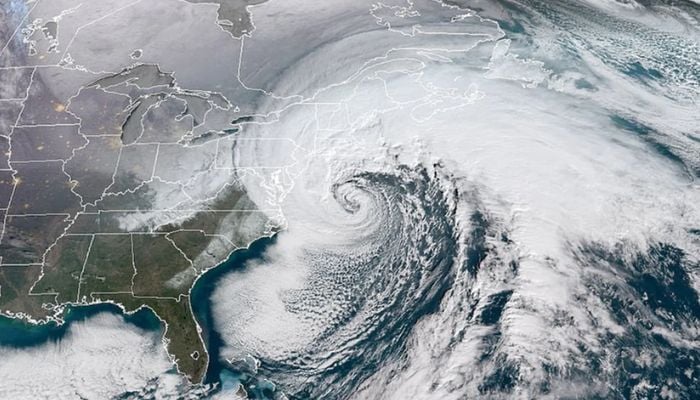
As winter storms sweep across the United States, meteorologists forecast a possibility for a “bomb cyclone” to hit the East Coast.
A bomb cyclone, also known as bombogenesis, occurs when a low-pressure system rapidly intensifies, losing at least 24 millibars of pressure in 24 hours.
This process of rapid intensification is sometimes triggered by the collision of cold air from the continent with warmer ocean water, resulting in a storm that can intensify in a matter of hours, bringing with it intense winds, blizzard conditions, and even lightning during snowstorms.
A National Weather Service meteorologist said, “These storms are not just your typical snowstorm. The rapid intensification can create wind gusts over 50 mph, heavy snow, and significant coastal flooding.”
Earlier incidents of bomb cyclones indicate the major disruption they caused along the East Coast. One such example is Winter Grayson in 2018.
It plunged 59 millibars in 24 hours, equivalent to a Category 3 hurricane. It caused widespread outage and disrupted travel completely.
Even land-based storms, such as the “Octobomb” of 2010, broke record-low pressures in the Midwest.
Although bomb cyclones occur most frequently between October and March, they can occur almost anywhere.
The East Coast experiences them most often due to the temperature difference between the cold continental air and the warm Atlantic Ocean.
The proximity of these storms to populated areas makes them especially dangerous.
What are the best ways to stay prepared for a bomb cyclone?
Experts suggest that residents should stay prepared for a bomb cyclone by stocking essential supplies, securing outdoor items, and closely monitoring forecasts daily.
Underestimating the disruption caused by bomb cyclones can be crucial for safety.