Reason behind OpenAI's GPT-4o retirement on Feb 13
GPT-4o discontinuation comes as OpenAI is facing eight lawsuits over the model's overly validating responses
Published February 07, 2026
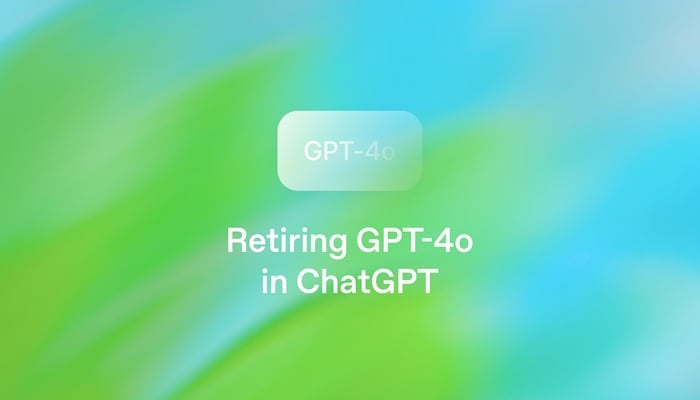
OpenAI's GPT-4o retirement, slated for February 13, has drawn outrage from netizens, particularly those very much invested in AI companions, causing a buzz as concerns about user safety and mental health are driving the decision.
GPT-4o discontinuation comes as OpenAI is faced with eight lawsuits alleging that the model's overly validating responses may have contributed to serious mental health crises, including suicides.
The crisis has prompted OpenAI to confront the psychological impact of its AI interactions.
OpenAI CEO Sam Altman acknowledged that the issues surrounding GPT-4o are "no longer an abstract concept."
Countless users have developed a deep emotional bond with the model, describing it as a companion or therapist. This emotional dependency makes up the primary questions about AI's role in users' lives and the possible consequences of building such relationships.
OpenAI's decision to retire GPT-4o also coincides with the scrutiny of AI's impact on mental health, as users have reported feeling abandoned as they transition to the newer ChatGPT-5.2, which responds with stricter guardrails and less emotional engagement in place.
The latest GPT version has been designed to prioritise user safety, but the shift has left some users feeling unsupported, as it runs without the assuring responses that defined GPT-4o.
The move serves as a bug step towards addressing the unintended consequences of AI. That said, the company is now bound to balance the need for engaging, emotionally responsive assistants while keeping in mind the responsibility to protect users from psychological harm.
The retirement reflects OpenAI's commitment to ensuring that AI technologies contribute positively to users' lives without creating unhealthy reliance.