Which Muslim countries are supporting ‘Operation Epic Fury' against Iran?
US allies form silent backbone for ‘Operation Epic Fury’ through critical base access, strategic logistics
Published March 02, 2026
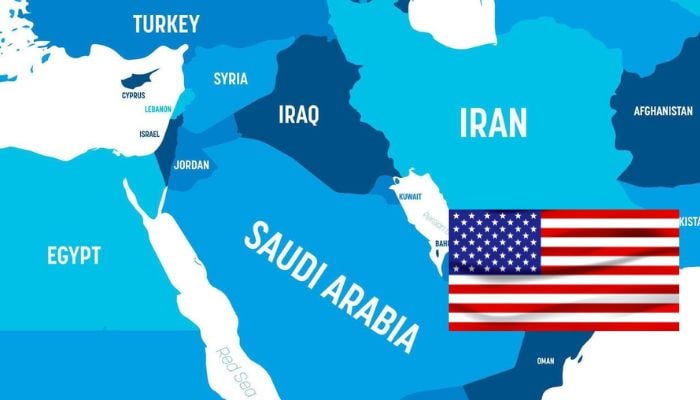
The Middle East is currently navigating its most volatile period in decades. After the launch of “Operation Epic Fury” by the United States and Israel on February 28, the regional alliances have shifted.
The operation launched on February 28 is a massive joint U.S.-Israeli strike against Iran due to which Iran’s Supreme Leader, Ayatollah Khamenei, was martyred.
The leading combat partner of the US is Israel, which acts as the primary co-belligerent. Israeli forces are also leading the “decapitation strikes."
Critical bases and logistics hosts
Although Arab nations have avoided declaring formal war, they are indirectly supporting the U.S. and host essential bases that serve as the backbone of the operation.
- Kuwait: It serves as a major staging ground for U.S. ground logistics.
- Qatar: Its “Al Udeid Air Base” is the forward headquarters for the United States Central Command (CENTCOM) from where thousands of sorties were flows over Iranian territory.
- Bahrain: It hosts the U.S. 5th fleet, which is of high significance in the Persian Gulf.
Strategic support and buffer zones
While allies like Jordan, Saudi Arabia, and the United Arab Emirates (UAE) are not directly involved in the operation, they are providing critical strategic support.
Jordan acts as a significant security buffer zone. Its bases are reportedly being used for U.S. search-and-rescue and refueling missions.
Saudi Arabia, on the other hand, allows the U.S. to utilize its massive defensive infrastructure. The UAE is also providing critical missile defense coordination. Al Dhafra Air Base is the hub of air reconnaissance that helps to track coalition and intercept Iranian projectiles before they reach their targets.
Who is opposing?
The operation has faced sharp condemnation from global powers, including Russia and China. Both nations have openly condemned the strikes and killing of Supreme Leader Ayatollah Ali Khamenei, calling for an immediate truce.
Chinese state media Xinhua News criticised the attack calling it “brazen aggression against a sovereign nation” and “power politics and hegemony.”
Turkey has also criticised the scale of the offense in the Middle East despite its NATO status.
As the Operation Epic Fury continues, the region is in a dilemma where it can descend into a wider, uncontrolled conflict.