Iran crisis now expected to raise global food prices including household staples
Gulf shipping crisis threatens global food prices as fertiliser supplies dry up
Published March 05, 2026
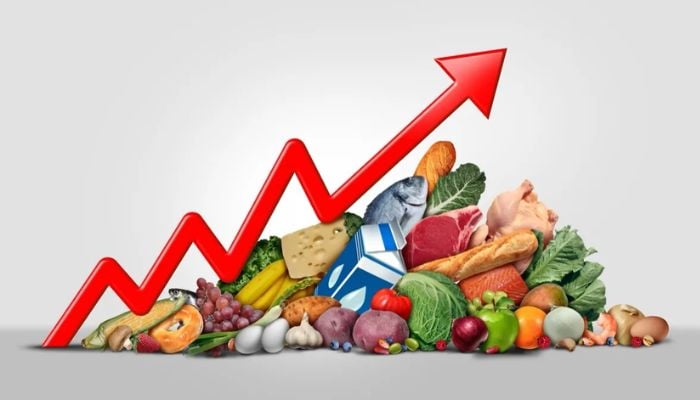
The implications of the US-Israel strike on Iran go beyond the surge in global oil prices now. The closure of the Strait of Hormuz has disrupted one-third of the global fertiliser trade, sparking fears of a food crisis.
The Strait of Hormuz is responsible for passing through 25%-30% of the world’s raw fertiliser materials, along with a fifth of seaborne oil and gas.
The disruption aligns with the Northern Hemisphere’s spring planting season.
Following the disruption, fertiliser prices are already increasing. Egyptian urea, a global benchmark, has risen more than 25% to $625 per metric tonne, up from below $490 last week.
The disruption not only occurs due to blockage of shipping routes. The drone attacks in Middle Eastern countries also play a significant role in it.
Qatar, which supplies 11% of global urea exports, shut the world’s largest urea plant following drone attacks on its LNG facilities and cut off gas feedstock.
Additionally, Iran itself controls 10-12% of the global urea trade.
The shortage of synthetic nitrogen fertilisers highly affects global food production as they play a significant role in cultivation of crops. Without adequate supplies, crop yields will fall, pushing up prices for household staples.