What is new name for PCOS? Here's what patients need to know
PCOS renamed to PMOS after decade-long global effort to correct misleading nam
Published May 12, 2026
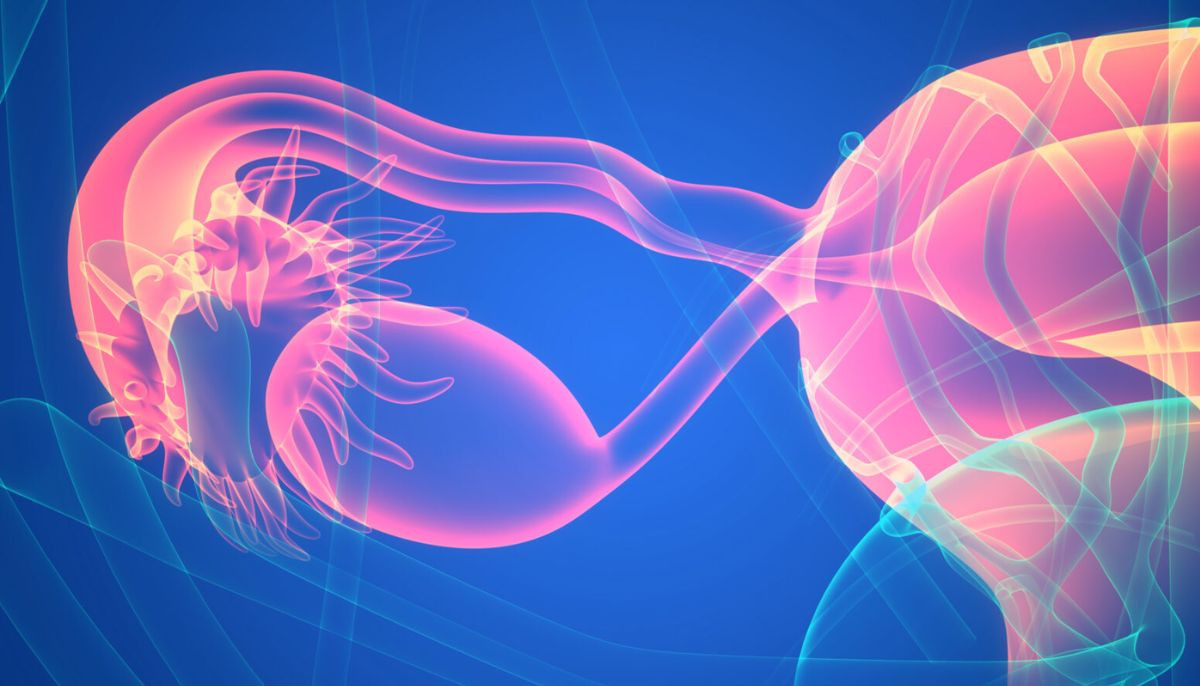
After almost a decade, polycystic ovary syndrome (PCOS) has officially been renamed to polyendocrine metabolic ovarian syndrome (PMOS).
The Lancet confirmed the change on Tuesday, May 12, at the European Congress of Endocrinology in Prague.
The congress was organised with the aim of correcting a name that experts say has long been inaccurate and harmful.
PCOS is known to affect up to 13 per cent of reproductive-aged females, manifesting symptoms such as weight gain, skin problems, hormonal imbalances, and psychological distress.
However, according to the WHO, 70 per cent of PCOS patients have gone unnoticed because of misperceptions tied to the erroneous name of this disease.
The doctors suggest that the term “polycystic” is inaccurate as affected patients typically have arrested follicles, not true ovarian cysts.
Due to this, doctors used to dismiss patients without cysts, which caused women to attribute unrelated conditions to PCOS.
The renaming was done after collecting comprehensive data collected from surveys from 2017, 2023, and 2025. Almost 15,000 respondents participated in the survey.
The change of name is aimed at avoiding stigma, ease of communication, and scientific accuracy. The new name now emphasises endocrine involvement.
Out of 90 votes made by doctors, researchers, and patients' representatives, 87 were for PMOS right away. The new term highlights the hormone-based nature of the disease along with its metabolic impact while still referring to the ovaries.
Dissenting voices were concerned that by removing “ovarian” from the title, it would make way for the possible future identification of a male version of the disease being researched. However, those representing the patient community felt that by doing so, time would be wasted to the disadvantage of women.