Scientists find first effective treatment for pancreatic cancer in decades
New pancreatic cancer drug helps patients live nearly twice as long
Published May 14, 2026
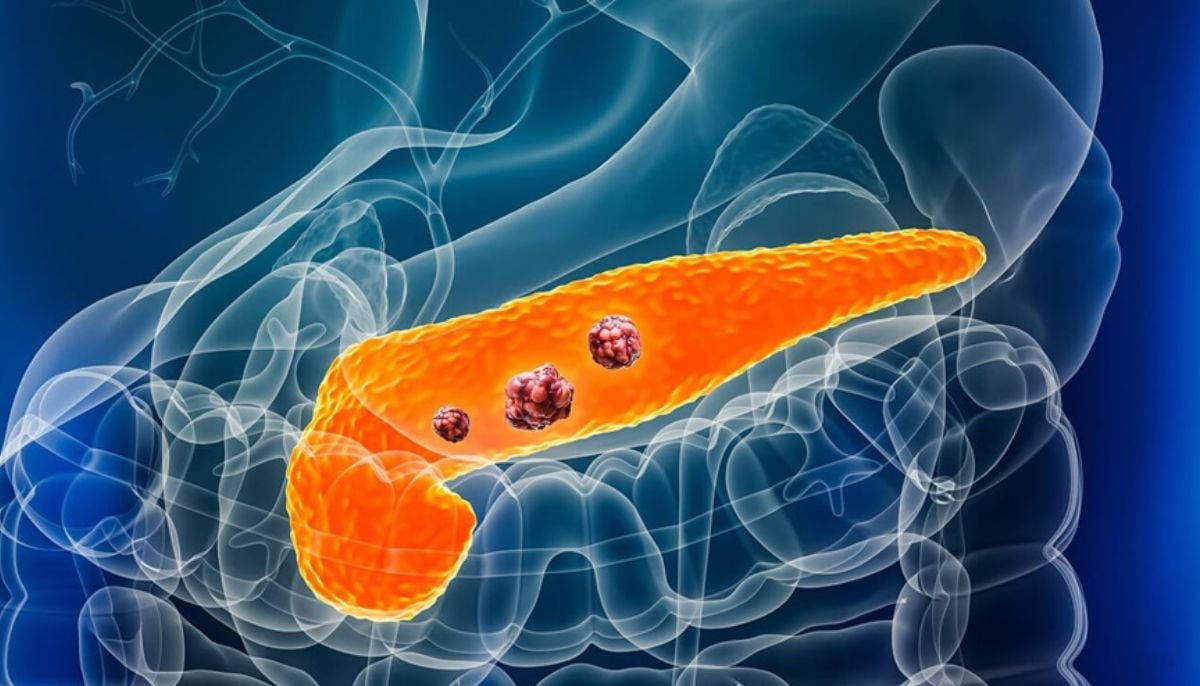
After decades of dashed hopes, researchers have found an experimental drug that has the potential of extending the lives of patients with pancreatic cancer.
The drug named as “daraxonrasib” is considered as the first significant treatment that yields potential survival benefits in clinical trials.
A late-phase trial conducted among 500 patients showed that patients who were administered the new drug, along with chemotherapy, survived for an average of 13.2 months compared to 6.7 months for patients only undergoing chemotherapy.
The medication focuses on a specific type of protein mutation known as KRAS, which accounts for over 90 percent of pancreatic cancers and other forms of cancer, including lung and colon cancers.
For decades, medical researchers believed that this protein was "undruggable" because of its greasy surface. It operates through the mechanism of "molecular glue," forming bonds with other proteins to inhibit the functioning of KRAS.
The drug also has common side effects that affected almost 96% of patients participating in early trials. Common symptoms include blistering rash, mouth sores, nausea, and diarrhea.
30% of the patients experienced severe reactions but researchers said that the benefits significantly outweigh the risks.
FDA has already put the drug on fast-track for approval and authorised expanded access, enabling patients outside clinical trials to receive it.
The manufacturer. Revolution medicines, are moving quickly to make it available for treatment.