Science behind vitamin C serums: Do they actually work?
Vitamin C deficiency impairs wound healing, skin barrier function, scientists warn
Published May 28, 2026
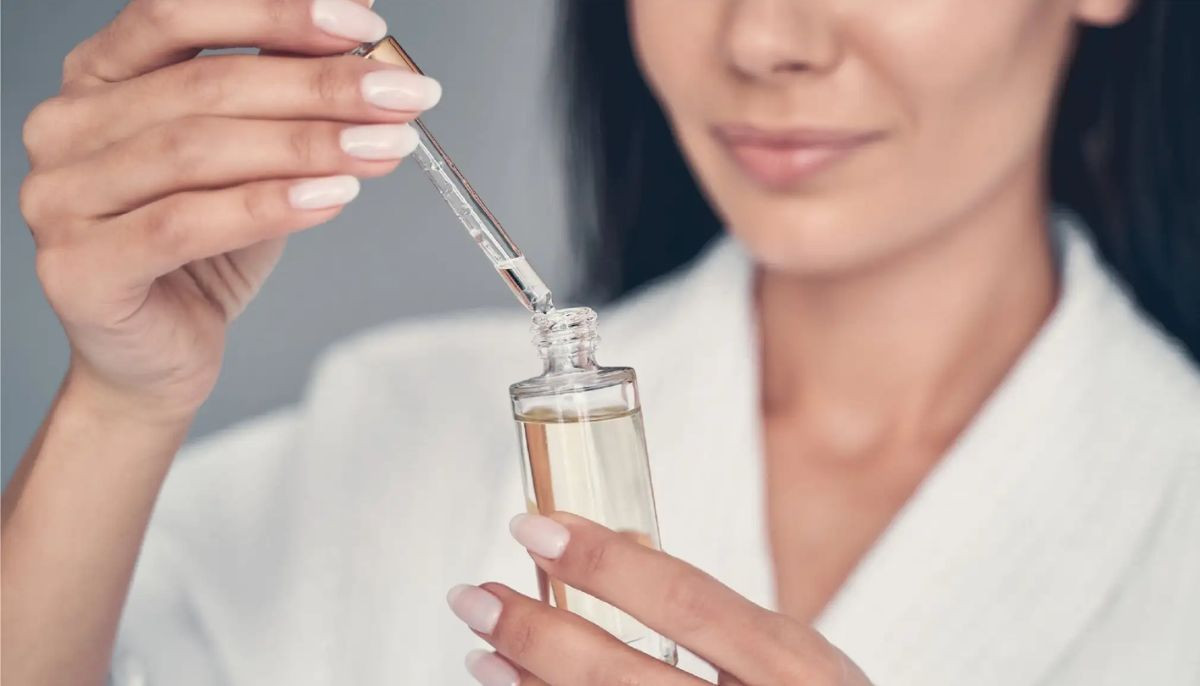
Dermatologists have long recommended vitamin C for brighter and healthier skin. With a boost in the skin care industry, Vitamin C serums generate billions in annual sales. But the growing body of literature suggests that the reality is more complicated than marketing claims suggest.
Undoubtedly, Vitamin C is essential for human skin. Studies found that normal skin contains high concentration of the vitamin, with epidermal levels two to five times higher than in the dermis.
There are various roles associated with the compound, including serving as a cofactor for collagen synthesis, acting as an antioxidant against radicals formed by ultraviolet rays, suppressing melanin, and stimulating the formation of ceramides, the lipid molecules that bind skin cells together.
However, the real problem is getting vitamin C into the skin.
Being a water-soluble and charged nutrient, it is mostly likely to be repelled by the surface of the skin. The beneficial penetration only occurs when formulations have a pH below 4.
For better stability and penetrations, manufacturers usually use derivatives such as magnesium ascorbyl phosphate, ascorbyl glucoside, and ascorbyl palmitate. However, they need to be converted into active vitamin C once inside the skin.
Most of the serums never penetrate deep enough to work. The ones who do only have three things, including:
- Pure vitamin C (L-ascorbic acid) at a low pH
- Come in opaque airtight bottles to prevent oxidation
- Often, combine vitamin C with vitamin E for better results.
But if the vitamin C levels are already saturated through diet or oral supplements, topical application may not increase skin levels further.