Flesh-eating screwworm: What is it, symptoms, how it returned to US after 60 years
Flesh-eating screwworm confirmed in Texas, first US detection in decades
Published June 04, 2026
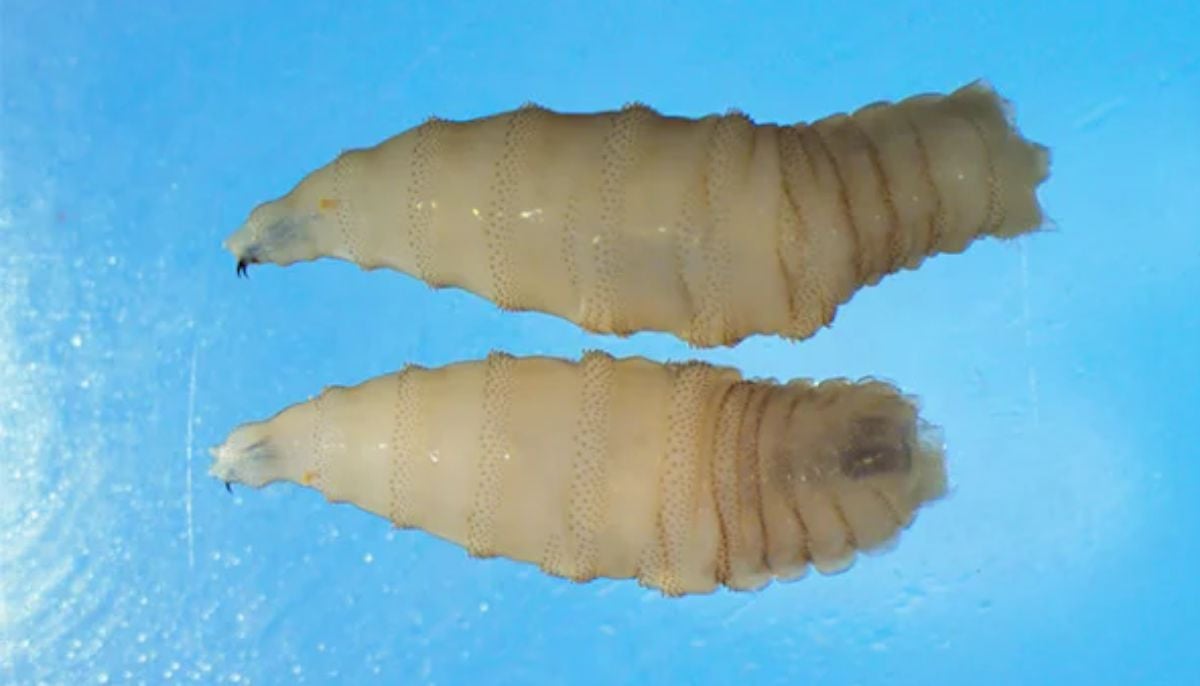
Flesh-eating screwworm has been detected in the U.S. after six decades of eradication.
The parasite pest was found last week in a 3-week-old calf in Zavala County, Texas.
Scientifically known as Cochliomyia hominivorax is a fly species whose larvae feed exclusively on the living tissue of warm-blooded animals, including cattle, pets, wildlife, and, rarely, humans.
In contrast to usual maggots that consume only dead flesh, screwworm larvae go deep into the open wounds of living cattle, creating severe, enlarging lesions. If untreated, infestations lead to ultimate death within days to weeks due to extreme tissue destruction.
Key symptoms to watch for
Pet and livestock owners should look for:
- Open wounds that don't heal and get worse fast, along with gross, stinky discharge from sores
- Wigglers with bumpy bodies poking out
- The infected animal might act weird, seeming super tired, staying isolated, or seeming bothered by moving, especially if it's in the ears.
- Keep an eye out for fly maggots, like metallic blue-green ones with orange eyes, hanging around your pet.
How it returned after 60 years
In the 1970s, the U.S. eradicated the parasite with the help of the sterile insect technique.
Through this, millions of sterilised male flies were released so that females mated with them produced no offspring. A permanent biological barrier zone was maintained between Colombia and Panama.
In 2024, the buffer started to fail. The parasite moved north through Central America, taking over control in Costa Rica, Nicaragua, Honduras, Guatemala, and eventually Mexico.
By early 2026, it covered more than 1,100 miles, getting from southern Mexico to the Texas border.
Texas Agriculture Commissioner Sid Miller said, “The screwworm has advanced rapidly through Mexico in spite of the USDA’s existing game plan. Instead of using every available tool, the agency moved too slowly.”
A 12-mile quarantine zone around La Pryor has been established by USDA, where animal movement is restricted, and ramped up sterile fly releases from a new production facility in Edinburg, Texas.