Top US Law School bans use of laptops, mobile phones in class: Here's why
University of Chicago's new AI policy explained
Published July 13, 2026
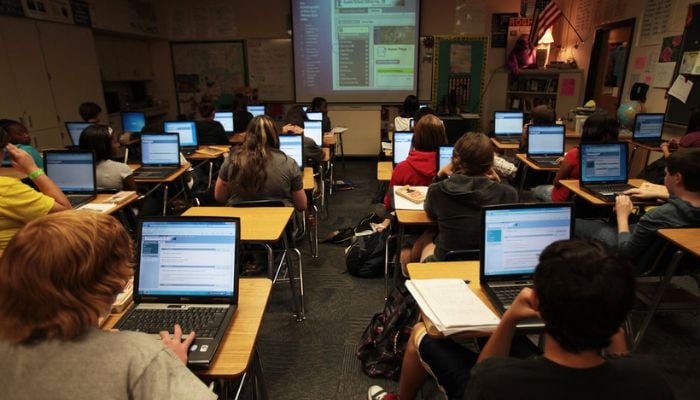
In a bid to combat the use of artificial intelligence (AI) by students for their homework and assignments, the University of Chicago Law School has announced a ban on the use of laptops and mobile devices during classes.
The incoming class of 2026-2027 will not be allowed to access their electronic devices during lectures as part of the university’s “AI-resilient pedagogy and assessments.”
The school believes that the new rule will help its students develop essential human skills to become a "distinguished lawyer” in this AI era.
The new AI strategy titled “Rethinking Legal Education in the AI Era” states that over the past few years, the school has made every effort to leverage AI to educate students.
The new strategy document consists of three themes:
- Developing AI-resilient pedagogy and assessment;
- Elevating the “essential human” skills that distinguish excellent lawyers;
- Teaching the responsible, effective, and ethical use of AI.
The law school decided that instead of outrightly banning AI, the assessments must be designed to ensure that students develop critical thinking skills and solve legal problems with professional judgement.
AI is already being heavily integrated into legal occupations as a UK firm recently made history by using an AI lawyer to build a successful case. However, a human barrister was used to present the case in court while AI helped gather witness statements and helped in preparing for trial.
The University of Chicago Law School announced that it will ensure its students learn how to use AI “responsibly, effectively and ethically.”