Trump administration ends ‘blanket rule' for endangered species: Here's what at risk
Trump administration revokes endangered species protections, critics warn of extinction risks
Published July 18, 2026
The U.S. Interior Department on Friday, July 17, cancelled a decades-old rule that automatically extended protections to plants and animals determined to be threatened with extinction.
This latest step by President Donald Trump’s administration dismantles key provisions of the Endangered Species Act at the behest of industry.
After the rollback, endangered species will not receive automatic protections now. Instead, they will require individualised protection plans once they are added to the threatened species list.
This will make the process quite lengthy, during which companies could seek exemptions for oil and gas drilling, mining, and other development where those species live. With this, it will be harder to save wildlife awaiting federal protections, including monarch butterflies and alligator snapping turtles.
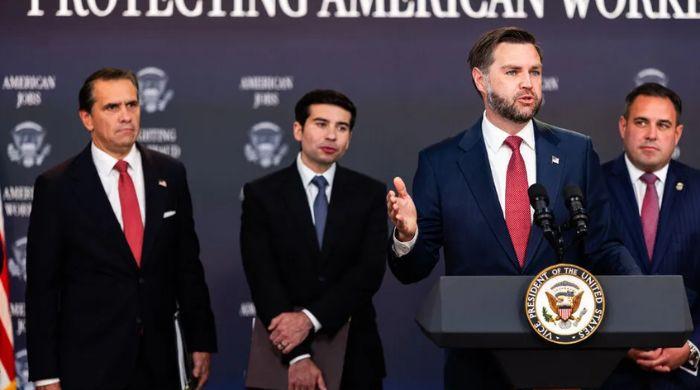
In a statement, Interior Secretary Doug Burgum said that the Endangered Species Act had been used for too long “to stop almost any new project in America, driving up costs for families, weakening our competitiveness, and undermining our national security.”
Another change which was officially made Friday is the requirement for officials to consider the economic impact when determining whether habitat is essential for the survival of the species. It is claimed that this change allows companies to use pressure so that officials would allow building in these areas.
Changes made during the first term of the presidency of Donald Trump were reversed by his successor, former President Joe Biden. Additionally, the administration limited the definition of what can be considered "harmful" to the species, thus permitting construction of the critical habitat unless animals are killed immediately.
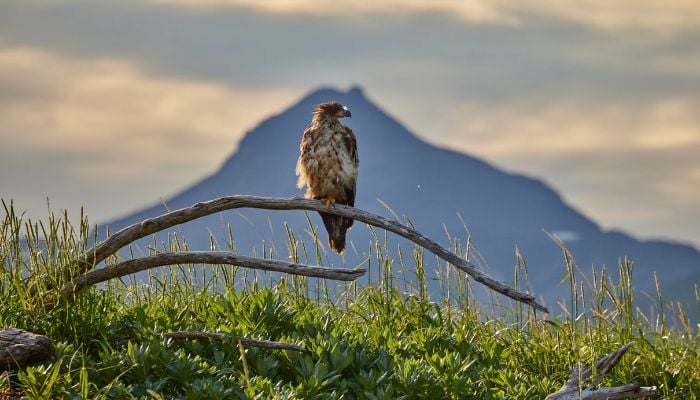
About 30 species are currently proposed to be listed as threatened. The Endangered Species Act is credited with bringing back iconic animals including the bald eagle and American alligator from the brink of extinction.