Chernobyl fungus feeding on nuclear radiation offers unique opportunity for humans
Published December 02, 2025
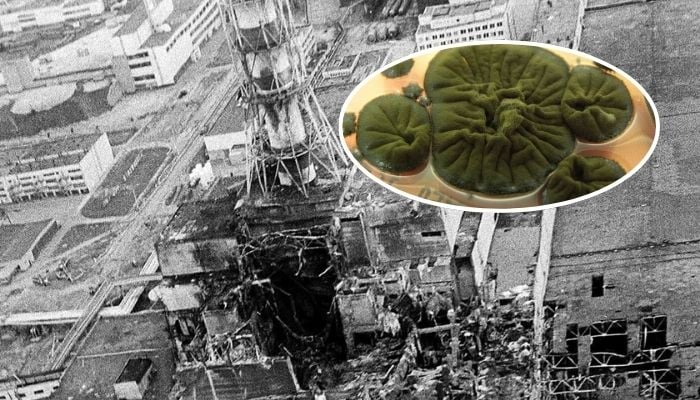
At the deadly site of the Chernobyl nuclear disaster, where nothing could survive due to extreme radiation, scientists have discovered a creature not only surviving but thriving.
Nearly 40 years after the disaster, experts have found the fungus at the site feeds on the nuclear radiation presenting a unique opportunity for humans to protect themselves against radiation and even cancer.
For context, the World Nuclear Association describes the Chernobyl nuclear disaster as an accident in 1986 that was the result of a flawed reactor design, operated with inadequately trained personnel.
The resulting steam explosion and fires released at least 5% of the radioactive reactor core into the environment, spreading radioactive materials in many parts of Europe.
The fungus uses a photosynthesis-like process to convert the gamma radiation into chemical energy.
In tests on the International Space Station, the fungi from Chernobyl blocked radiation from penetrating and grew 21 times faster when exposed to it.
Now, the National Aeronautics and Space Administration (NASA) is considering creating fungal bricks to use for lunar construction.
Previously, China has also successfully tested the survivability of their 100-gram bricks in space.
A study published in PLOS One declared the fundus to be “radiotrophic” meaning “radiation feeding”.