NASA is hunting for Earth's critical minerals from 60,000 ft
Published December 25, 2025
Flying at 60,000 ft, National Aeronautics and Space Administration (NASA) aircraft are scanning the deserts of the American West for the critical minerals necessary for modern technology including smartphones and electronic vehicles (EVs).
The mission is a joint project of the U.S. Geological Survey called GEMx. It utilises a sophisticated new sensor named AVIRIS-5.
The sensor is mounted in the nose of a high altitude ER-2 research plane. This microwave-sized instrument detects the unique “spectral fingerprints” of minerals by analysing the specific wavelengths of light they reflect.
The project that started in 2023 has mapped over 366,000 square miles, and targets minerals such as lithium, cobalt, graphite, and titanium.
These substances are used in manufacturing batteries, semiconductors, and renewable energy systems and are considered highly important due to their significance in the U.S. economic and national security.
The March 20255 Executive Order of the White House have also addressed the urgency of this mission, citing a national security threat from reliance on foreign mineral production.
The NASA-USGS survey focuses on bolstering domestic supply chains for a seucire clean energy transition.
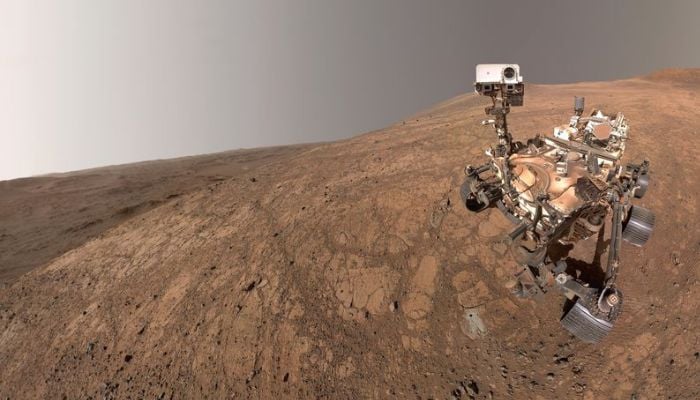
The technology is derived from spectrometers which were previously used to study Mars, Mercury, and Pluto to explore signs of life. Currently, the same technology is also enroute to Jupiter's moon Europa.
Scientists envision a vast future for AVIRIS-5 beyond minerals, including managing water resources and assessing wildfire risks.