What is Nipah virus? Health officials report new cases of deadly disease
WHO has rated the virus as deadly, as it can cause mild to severe infections, and the mortality rate associated with the virus is estimated at 40% to 75%
Published January 27, 2026
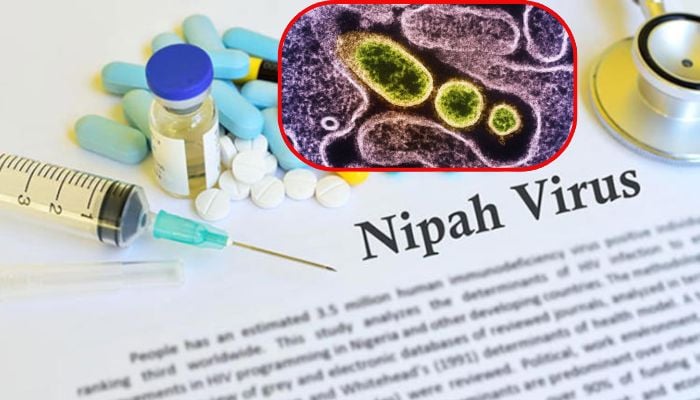
Two new cases of the deadly Nipah virus have been confirmed in the Indian state of West Bengal, the first reported since an outbreak of five cases there last week, the Independent reports.
Indian health officials have confirmed the cases, which involved two nurses at a private hospital in the affected region of West Bengal, according to multiple media reports.
The WHO has rated the virus as deadly, as it can cause mild to severe infections, and the mortality rate associated with the virus is estimated at 40% to 75%.
The infected patient is said to be in “critical condition,” as reported by The Telegraph.
Health officials are putting quarantine and surveillance measures in place.
What is the Nipah virus?
Nipah virus represents a classic zoonotic spillover event, where an animal virus adapts to infect humans.
Fruit bats are the natural host of Nipah virus, WHO has stated, but transmission of the virus is multifaceted. It is primarily a zoonosis originating in bats but can spread to humans through intermediate animal hosts (e.g., contaminated food sources) and close person-to-person contact.
According to the Centers for Disease Control and Prevention (CDC), the early symptoms associated with this virus are fever, headache, cough, sore throat and respiratory failure.
The U.S. national public health agency further adds that encephalitis, a medical condition linked with brain swelling, can lead to symptoms like drowsiness, confusion, seizures, or comas.
Symptoms of the Nipah virus typically appear within four to 14 days of exposure.
No cure for Nipah exists, meaning treatment is limited to supportive care and treatment of symptoms.