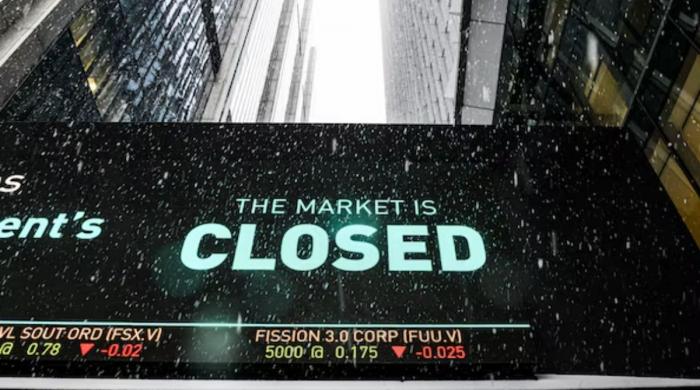
After gold, silver rallies, copper climbs to 16-year high for first time
Copper gains approx. 7.9% to trade above $14,000 a ton for first time ever
Published January 29, 2026
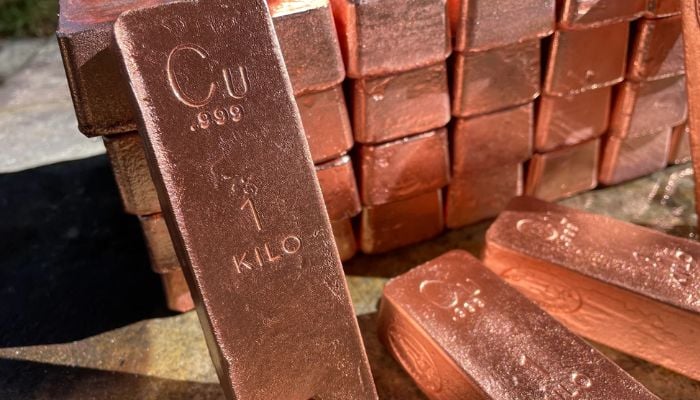
Copper prices rose by the most in more than 16 years, extending a dramatic start to 2026 as a wave of intense speculative trading in China sent metals markets sharply higher.
The precious metals pushed copper to fresh record highs, amid mounting concerns about tight supply, rising strategic demand, and growing market fragmentation.
The London Metal Exchange observed more than 5% in less than an hour during early Asian trading. This marks the period when Chinese investors typically dominate market flows.
The increase in copper prices was followed by strong gains in precious metals, including Gold and Silver, as momentum-driven buying accelerated.
What copper prices are increasing?
The rise in copper prices is built on a blockbuster 2025, when prices climbed nearly 44%, marking the strongest annual performance in more than a decade.
Analysts note that the current rally indicates a structural repricing fuelled by supply disruptions, continuous deficits, and long-term demand growth that continues to outpace new production.
The sharp reduction in mine supply has also had a bigger impact on the market than expected, and the lack of investment in the industry over the years, coupled with low ore grades and long development times, has made it difficult for the industry to react.
On the other hand, the inventories have become more fragmented because of trade tensions and policy uncertainties, and the supplies outside the US are tighter than the headline numbers.
Demand is also shifting towards more strategic and less price-sensitive applications.
The rapid growth of AI data centers, grid modernization, defense, and electrification projects is driving copper demand in a more resilient way, even as more traditional cyclical sectors like construction face challenges.
These fundamentals have been driven by speculative demand, especially in the Chinese market, where investors have shown keen interest in hard assets due to concerns about currency stability, geopolitical tensions, and de-dollarization.
The fall in the value of the U.S. dollar has also helped to drive up prices by making copper cheaper for buyers who use other currencies.