51% of coral reefs suffered major bleaching during 2014-2017, researchers say
‘Irreversible’ degradation feared as half of reefs hit by mass bleaching
Published February 12, 2026
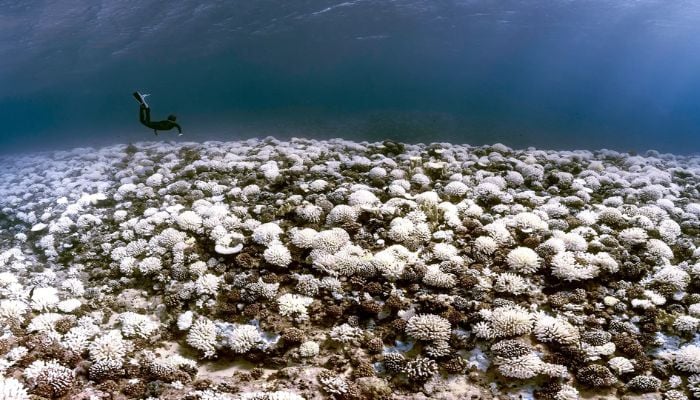
An international team of scientists has found a harsh reality regarding the health of the planet’s coral ecosystems.
The study published in Nature Communications found that 51% of reefs experienced moderate or severe bleaching during the Third Global Coral Bleaching Event.
Scientists also found that almost 15% of the corals have suffered mortality. For the study, researchers conducted a comprehensive global analysis of more than 15000 reef surveys across 41 countries. It also combines satellite heat-stress measurements with in-water and aerial observations.
The 2014-2017 bleaching event was the longest and most widespread event on record until the current one.
The results of the research show that the rate of ocean warming-induced damage to coral reefs is increasing, with the certainty that ongoing warming will result in damage to these important ecosystems.
With the heat stress levels during this event higher than those experienced in the past, the National Oceanic and Atmospheric Administration has created more severe levels of Bleaching Alerts, currently characterizing the Fourth Global Coral Bleaching Event.
Bleaching usually occurs when heat stress causes corals to expel the symbiotic algae living in their tissues, turning them white and leaving them starved. Longer bleaching ultimately leads to death.
The fourth global bleaching event, now entering its third year, has already struck Florida, the Caribbean, Australia’s Great Barrier Reef, and the Pacific.