Everything to know about third round of indirect nuclear negotiations between US, Iran
High-stakes US-Iran nuclear talks are opened in Geneva
Published February 26, 2026
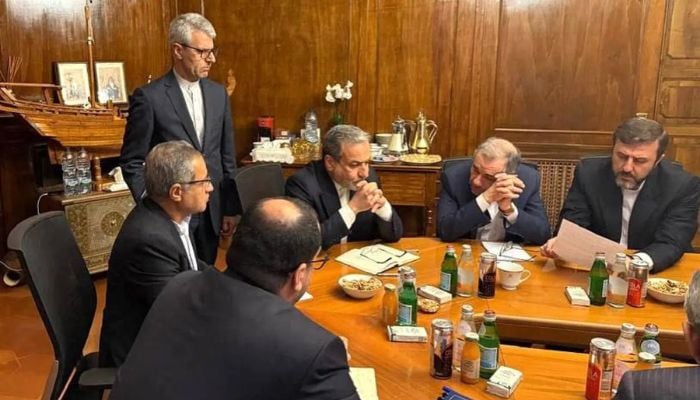
The third round of indirect nuclear negotiations between the United States and Iran is happening in Geneva on Thursday, February 26.
Despite the massive American military buildup in the Middle East, the mediators expressed cautious optimism.
Iranian Foreign Minister Abbas Araghchi is representing Tehran, while White House envoy Steve Witkoff and Jared Kushner are representing Trump.
While Omani mediators are shuttling between the two delegations at the ambassador’s house.
As reported by Omani Foreign Minister Badr Albusaidi, negotiations have indicated “unprecedented openness to new and creative ideas and solutions.”
This highlights possible movement after months of deadlock between the two countries.
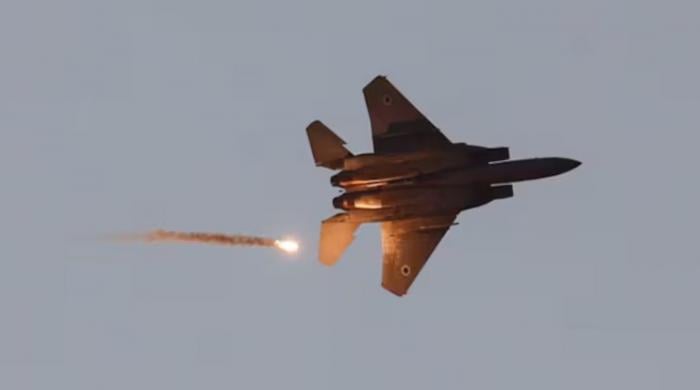
The stakes could not be higher. President Donald Trump has assembled the largest military force in the region since the 2003 war in Iraq, including the USS Abraham Lincoln carrier strike group and at least 18 F-35 stealth fighters in Jordan.
This military force is a form of pressure on Iran as well as preparation for a possible strike in case diplomacy fails.
Ali Shamkhani, a key advisor to Iran’s Supreme Leader, reported that an “immediate agreement is within reach” if talks remain confined to Iran’s “non-production of nuclear weapons,” consistent with Tehran’s longstanding position.
Despite slight optimism, challenges pertain. The US demands that Iran must permanently abandon uranium enrichment, while Iran has a stance of possessing equal rights to peaceful nuclear technology.
Iranian state media reports that talks have “paused for delegation consultations” and will resume later Thursday.
International Atomic Energy Agency chief Rafael Grossi has also joined as a technical observer in the negotiations.