How did meningitis outbreak start at University of Kent's chemistry club?
Two dead, 11 hospitalised as meningitis outbreak at Kent University
Published March 16, 2026
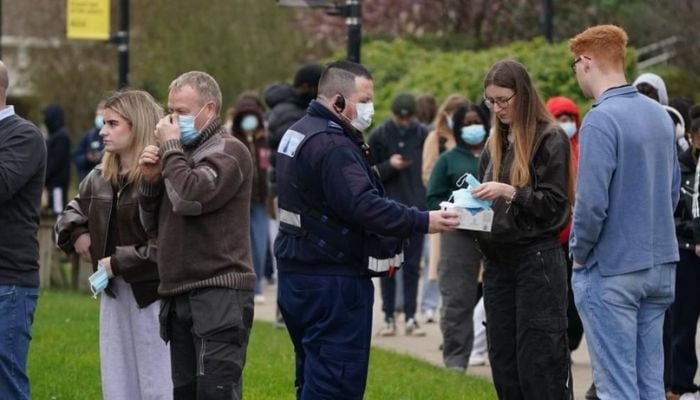
Health officials are investigating the origin of meningitis as the outbreak took the lives of two people and caused 11 hospitalisations.
Louise Jones-Roberts, the owner of Club Chemistry, confirmed that the UK Health Security Agency (UKHSA) contacted her after discovering an association between the venue and the outbreak.
Jones Robert told the Mirror: “We have been told somebody was in our club at the weekend who has since been diagnosed with meningitis.”
The revelation of a potential link prompted a complex tracing operation to assess how many people may have been exposed.
But the complicated entry system of the nightclub makes it difficult to track down everyone who was in attendance.
The owner explained: “They have asked us if we have any methods for tracing who has been in to us. We have an ID scanner, but that is more for a security measure.... It takes pictures of some driving licenses, ID cards, and so on. We’ve got tickets for events so we could trace ticket-holders, but most people pay on the door.”
Considering the ongoing speculations, the club has taken proactive measures, declaring it will close for the rest of the week.
The club posted on Facebook: “We’ve made the decision to close the venue for the rest of this week. While we haven’t been directed to do so, the safety and well-being of our community, our guests and our staff come first, always.”
The UKHSA has sent advice letters to all 16,000 students at the University of Kent, though only close contacts of confirmed cases will receive antibiotics.
For now, researchers are interviewing affected individuals and their families to trace the chain of transmission.
What is Meningitis?
A meningitis outbreak is a sudden increase in cases of meningitis (infection and inflammation of the brain/ spinal cord protective membranes) above the normal rate in a specific area. The condition is often caused by bacteria or viruses and transmitted through close contact (such as sneezing or coughing). When spread, it needs immediate medical attention due to potential mortality.