What is new COVID variant BA.3.2? Know everything about symptoms, spread, prevention
New COVID variant BA.3.2 detected in US as officials monitor spread
March 26, 2026
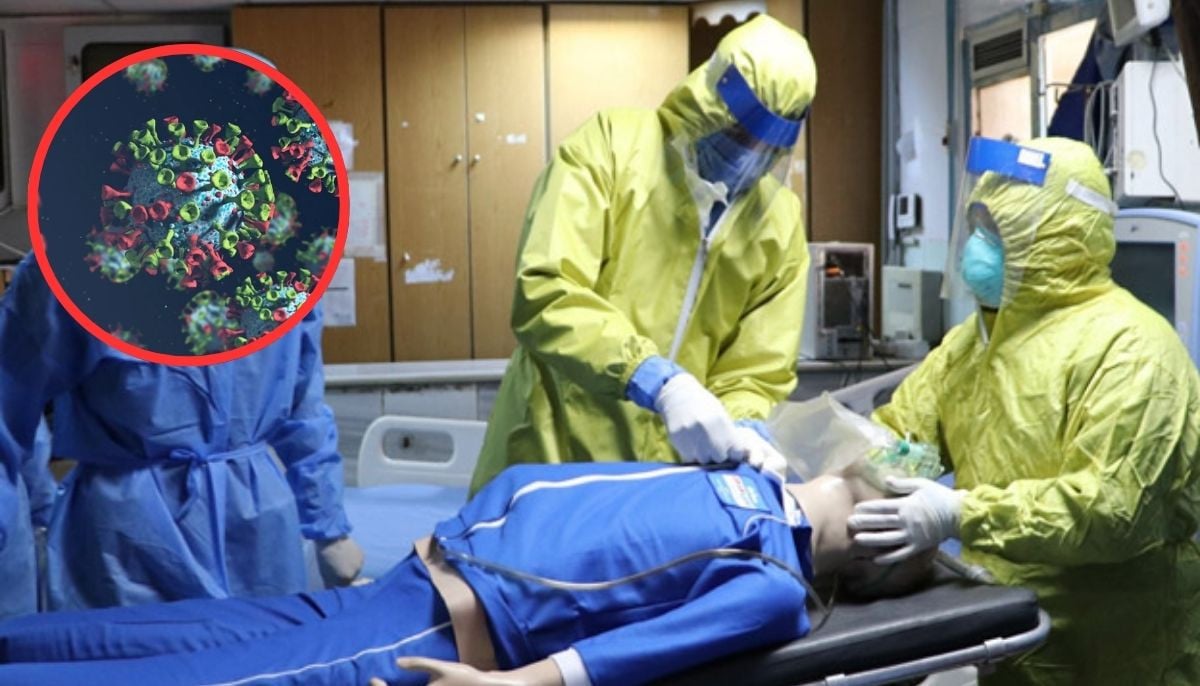
A highly mutated COVID-19 variant capable of evading immune protection has been detected across the United States.
This raises concerns among public health officials about a potential surge of cases in the coming days.
The Centers for Disease Control and Prevention (CDC) stated that the variant has the “potential to reduce protection from a previous infection or vaccination.”
The claim is also supported by laboratory studies that found the variant's capability of efficiently evading antibodies generated by current vaccines.
What is the COVID variant BA.3.2?
It is a new lineage of SARS-CoV-2 (the virus that causes COVID-19). It was first identified in South Africa in November 2024, carrying around 70 to 75 mutations in its spike protein, in contrast to JBA.3.2, which is a new lineage of SARS-CoV-2, the virus that causes COVID-19. First identified in South Africa in November 2024, this variant carries approximately 70 to 75 mutations in its spike protein compared to the JN.1 lineage (the strain used in current vaccines).
Due to these mutations, BA.3.2 is genetically different from variants that have earlier spread in the U.S.
Symptoms of the COVID variant BA.3.2
Health officials have not recognized any unique symptoms for this specific variant. It has similar symptoms to earlier variants, including:
- Fever or chills
- Cough
- Shortness of breath
- Fatigue
- Body aches
- Headache
- Loss of smell and taste
- Sore throat
- Congestion or runny nose
- Nausea or vomiting
- Diarrhea
Spread and detection
As of February 26, the variant has been detected in:
- 5 clinical samples from patients across 4 states
- 132 wastewater samples from 25 states, including California
- Wastewater detections serving as early warning signals weeks before clinical cases emerged
The cases have also been reported worldwide in at least 23 countries across Africa, Asia, Europe, North America, and Oceania.
Between November 2025 and January 2026, the weekly detections in Denmark and Germany have reached around 30%.