Is Metformin safe? New brain study reveals surprising answer
Metformin works in brain, study reveals after 60 years
March 26, 2026
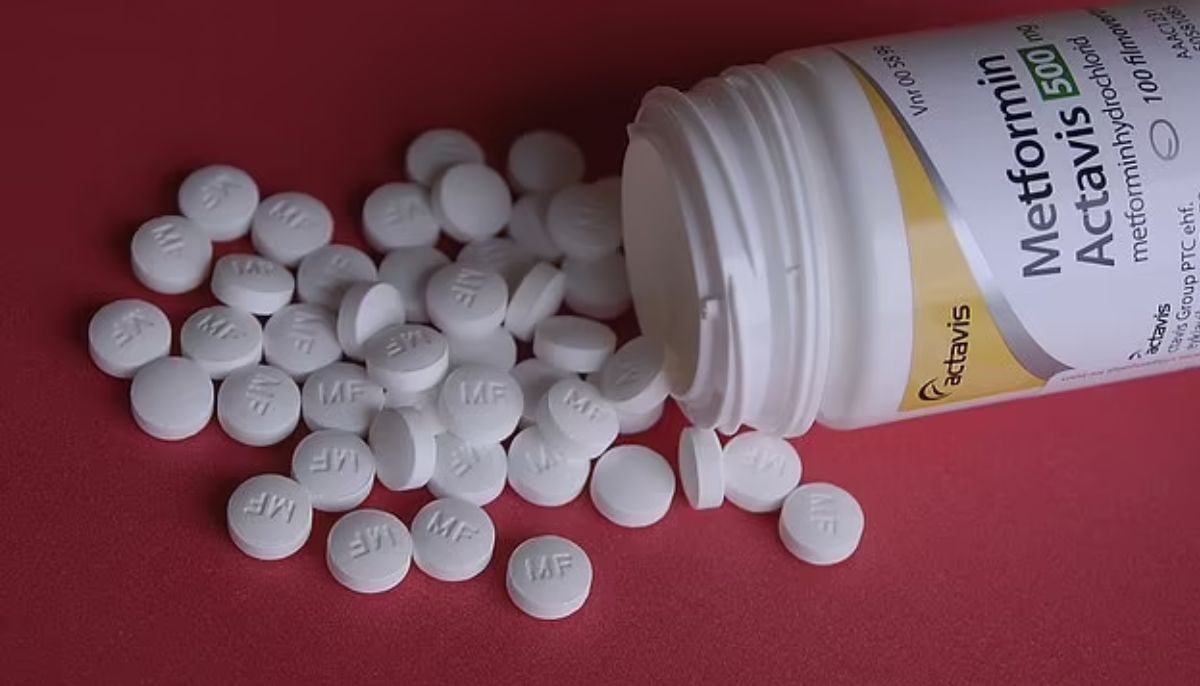
For more than six decades, metformin has been the most commonly prescribed drug to manage type 2 diabetes.
However, scientists never understood how it actually works until the research from Baylor College of Medicine finally revealed the truth.
The study published in Science Advances found that metformin lowers blood sugar by acting on a specific pathway in the brain.
How it works
Researchers found a protein named Rap1 in the ventromedial hypothalamus, a brain region that controls whole-body glucose metabolism.
The drug suppresses Rap1 activity, which leads to activation of SF1 neurons that help control blood sugar.
The study conducted experiments on diabetic mice by injecting metformin directly in brain at doses thousands of times lower than the typical oral doses.
As a result, blood sugar levels are reduced significantly. When the scientists genetically engineered the mice to lack Rap1 in the brain, metformin showed no effect.
This confirmed the essential role of the drug’s pathway.
Is metformin safe?
The new discovery does not raise any safety concerns for the usage of metformin. In fact, it helps describe why the drug has been so effective for decades.
It is already known for additional health benefits that include slowing brain aging and minimizing the risks of long COVID.
Studies in the past have connected the drug to exceptional longevity in women. For the future, researchers plan to assess whether the same brain Rap 1 signaling is responsible for these broader effects.