Pak-Afghan peace jirga set for Mar 31 amid tensions
Jirga participants will call on Islamabad and Kabul to implement immediate ceasefire

Published March 28, 2026
- Notable political leaders, tribal elders to attend sitting.
- Jirga to focus on mutual respect, trust-building: official.
- Official says jirga aimed at creating common path for peace.
PESHAWAR: A joint Pakistan-Afghanistan peace jirga is scheduled in Khyber Pakhtunkhwa's Peshawar on March 31 to develop a joint framework to foster peace, stability and dialogue between the two neighbouring nations.
Former KP chief secretary and Aspire-Khyber Pakhtunkhwa head Arbab Shezad Khan made the announcement in a joint press conference alongside Qaumi Islahi Tehreek head Haji Sohrab Ali Khan.
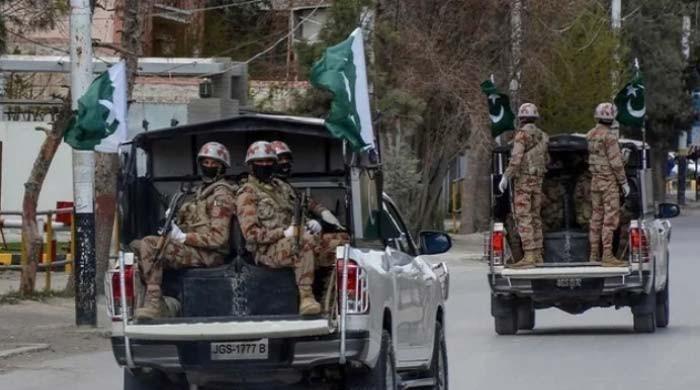
The announcement comes amid Pakistan's ongoing Operation Ghazab lil-Haq against terrorists and their support infrastructure in neighbouring Afghanistan.
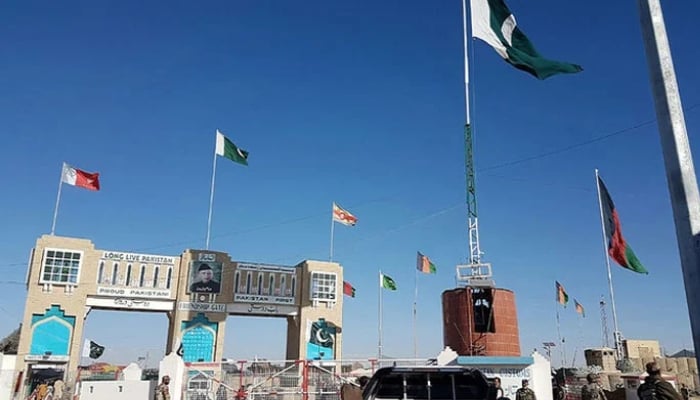
Pakistan began the operation last month after the Afghan Taliban regime's unprovoked aggression along the Pakistan–Afghanistan border.
The former KP chief secretary said that notable political leaders, tribal elders, religious scholars, members of civil society, the business community and media persons will attend the jirga.
Political leaders who have previously worked towards peace between Pakistan and Afghanistan have also been invited to join the peace jirga, he added.
"The peace jirga will focus on mutual respect, trust-building and serious negotiations for lasting peace," he said, adding that a joint declaration in favour of peace will also be issued at the end of the jirga, which will be sent to the governments of both countries.
The aim of the peace jirga is to create a common path for peace and stability between the two countries and to promote negotiations, he said.
At present, there is severe tension between the two nations, he said, adding that holding the peace jirga was the "need of the hour".
He added that a peace jirga is planned in Quetta and other areas after the March 31 sitting, involving all stakeholders to chart a path towards peace in the region.
Jirga participants will call on Pakistan and Afghanistan's leaders to implement an immediate ceasefire, reduce tensions, and settle all issues via dialogue and diplomatic channels, Khan said.
Pak-Afghan tensions
The ongoing tensions between Pakistan and Afghanistan follows Pakistan's retaliatory actions in response to suicide bombings in Islamabad, Bajaur, and Bannu, all of which were traced back to militants based in Afghanistan.
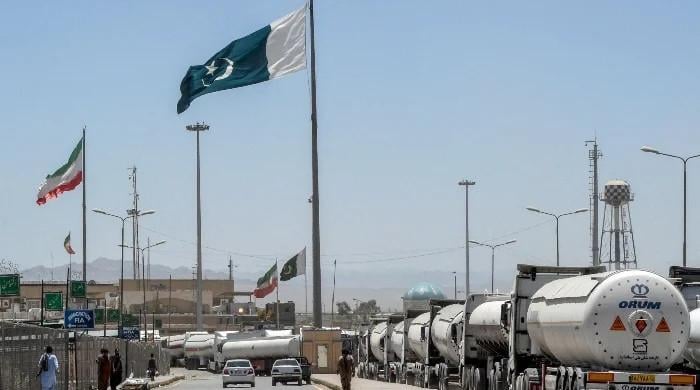
The recent border tensions reignited months after the two countries agreed to a ceasefire in October 2025 when the Afghan Taliban regime opened unprovoked gunfire at several border points.
Pakistani authorities say that the Afghan forces' firing was aimed at helping khawarij formations cross the border into Pakistan.
Islamabad, however, back then had agreed to an initial ceasefire at Kabul's request. The countries then later reached a ceasefire deal in Qatar, which was mediated by Doha and Turkiye.
Under the agreement, terrorism from Afghanistan on Pakistani soil was to be stopped immediately.
The two sides then further held follow-up discussions in Turkiye which did not deliver the desired results as Kabul used the Istanbul talks to malign Pakistan rather than address Islamabad's core concern of terrorism emanating from Afghan soil.