April Fool's day: Everything to know about how 600-year-old tradition began
April Fool’s day is celebrated around the world every April 1
Published March 31, 2026
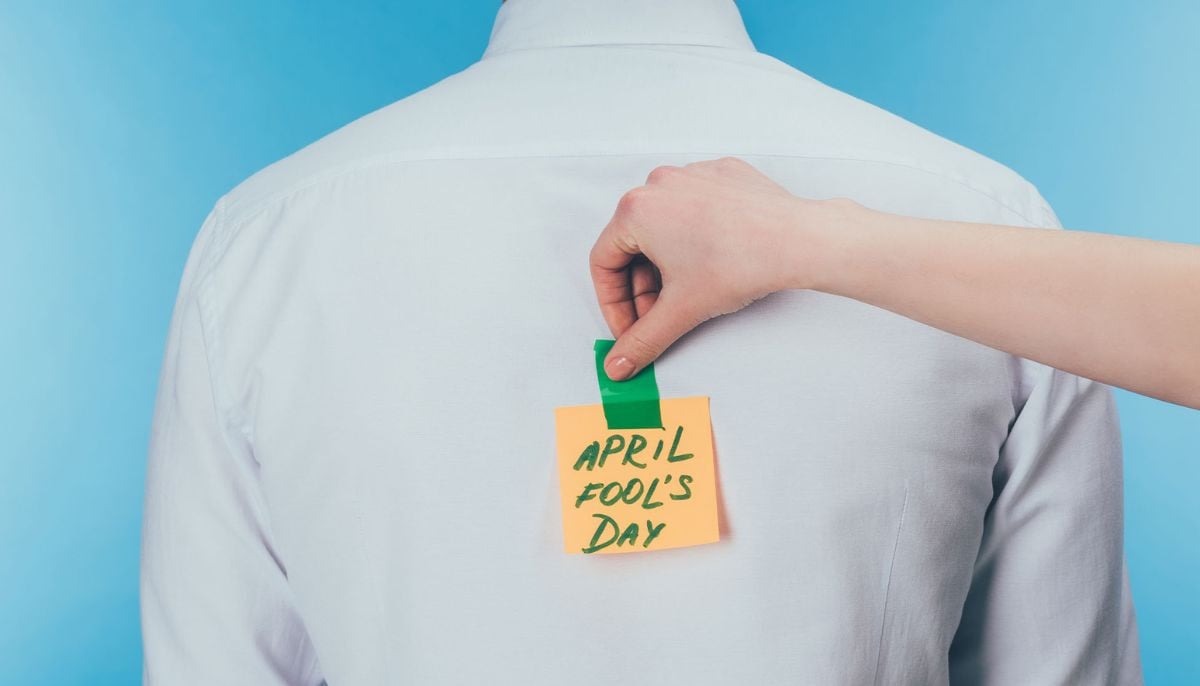
Despite celebrating it for centuries, the origins of April Fool’s Day remain shrouded in mystery.
Experts cited competing theories pointing to medieval England, 16th-century France, and even ancient Roman spring festivals.
One of the earliest potential references to April Fool can be traced back to 1390, when English poet Geoffrey Chaucer wrote "The Nun's Priest's Tale." The tale tells of a rooster and fox trying to outsmart one another 32 days after the start of March, or April 1.
However, some believe that medieval writers might have made typos, which could indicate that this was not an April Fool's reference.
However, people of France have two compelling alternatives.
French poet Eloy D’Amerval cited an “April fish” in a poem written in 1508. The term is still used in France, where pranksters attach fish to the back of victim.
Moreover, some historians cite the 1564 Edict of Roussillon, when King Charles IX announced January 1 as the official start of the new year.
Before that official declaration, New Year’s celebrations varied across regions, with some observing the occasion in April.
People who continued to celebrate the New Year in April were mocked as “fools.”
The tradition, however, could be even older. In ancient Rome, Hilaria was a spring holiday that took place after the vernal equinox, where people wore disguises and played in a carefree manner, regardless of social class.
The Hindu holiday of Holi and the Iranian holiday of Sizdah Bedar, celebrated on April 2 this year, also involve playful pranks and lies.
The exact origin of this custom is still not confirmed.