Artemis II astronauts witness 6 meteorites colling with Moon
Artemis II astronauts witness rare meteorite impacts on Moon during historic flyby
Published April 09, 2026
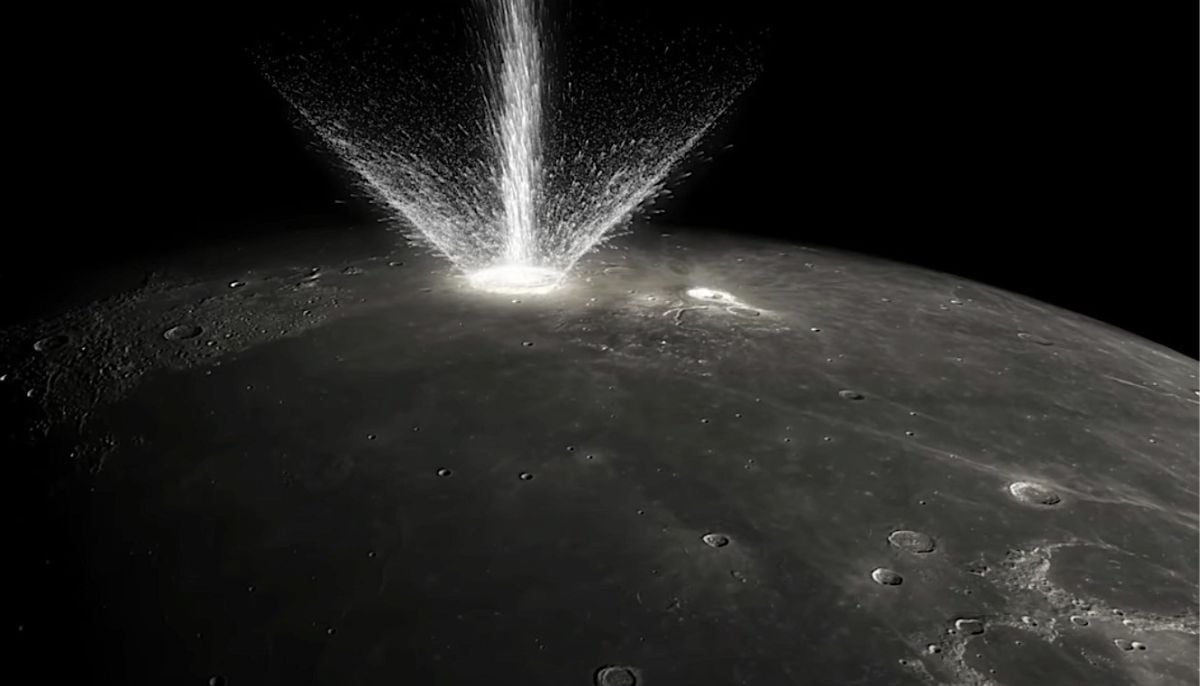
In an unexpected scientific turn, the Artemis II astronauts observed six meteorites colliding into the Moon’s surface during the historic lunar flyby this week.
The phenomenon is rare to observe with the naked eye.
The sightings were first reported by mission commander Reid Wiseman on Monday, April 6, when the Orion spacecraft flew 6,000 to 7,000 kilometers above the Moon’s far side.
Wiseman reported: “That was definitely impact flashes on the Moon.”
Soon, Canadian crew member Jeremy Hansen spotted another.
The timing of the incident was of paramount importance. The astronauts had to monitor an eclipse event where the far side of the Moon was entirely shaded to make sure they could see any sudden bursts of white or light blue flashes that lasted less than one second.
There’s no protective layer on the Moon, unlike Earth, where the atmospheric layers burn up most space debris. Therefore, even tiny meteorites strike the surface at high speed, creating visible impact flashes.
All meteorite observations were made during seven hours. These will help scientists to refine models of meteorite frequency, which is extremely helpful as NASA plans permanent lunar bases.