What does Supreme Court ruling say about Voting Rights Act? Key takeaways
Supreme Court deals major blow to Voting Rights Act in Louisiana case
Published April 29, 2026
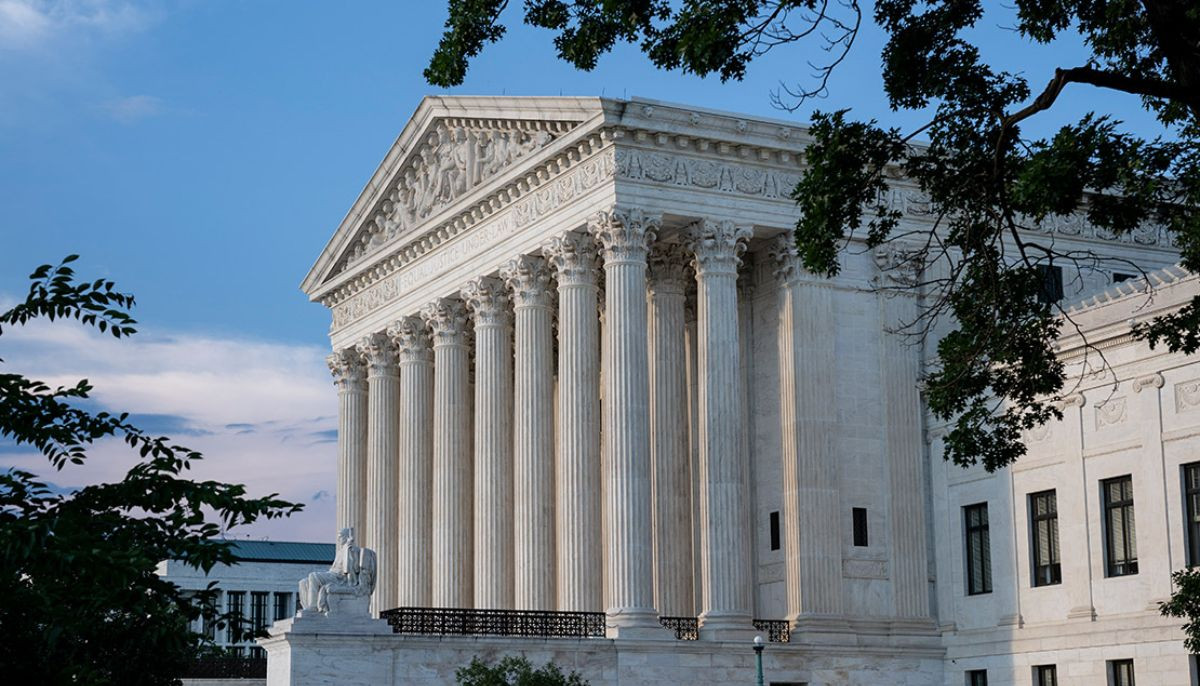
The U.S. Supreme Court on Wednesday, April 29, ruled out a significant provision of the Voting Rights Act.
This raises the legal bar for racial minorities to challenge electoral maps as discriminatory.
With a 6-3 ruling led by the conservative wing of the court, the justices ruled in favour of the lower court’s decision to halt the implementation of a second congressional district with a majority black population in Louisiana.
Justice Samuel Alito authored the majority opinion supported by his five conservative colleagues. The three liberal justices dissented.
The case focused on Section 2 of the Voting Rights Act of 1965 that prohibits voting practices or procedures that discriminate on the basis of race, colour, or membership in one of the language minority groups identified in Section 4(f)(2) of the Act.
The judge noted that Section 2 should only focus on enforcing the Constitution's ban on intentional racial discrimination under the 15th Amendment.
A decision like this would enable GOP-controlled states to get rid of black and Hispanic voting districts that usually go Democratic, thus tilting the scales of power in Congress in their favour.
But it’s unlikely that it will have any effects before the 2028 election due to expired filing deadlines.